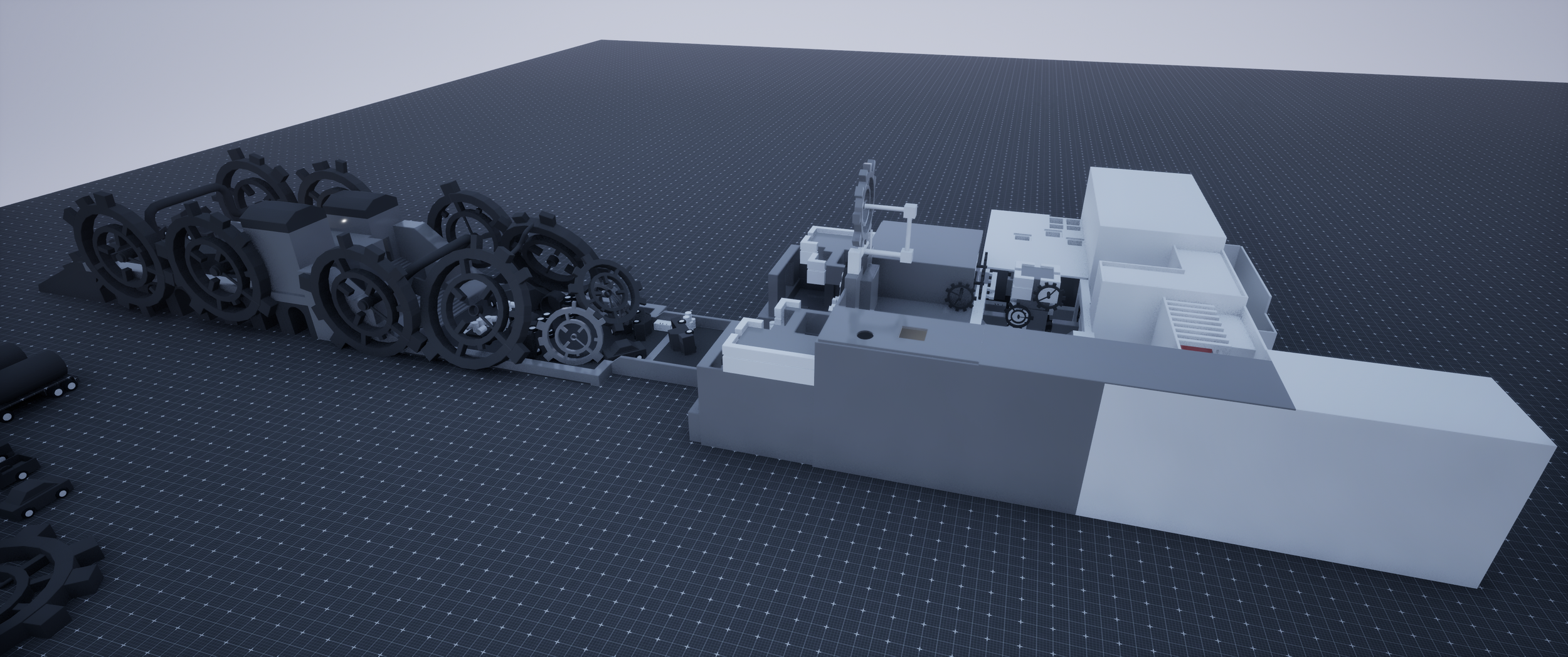
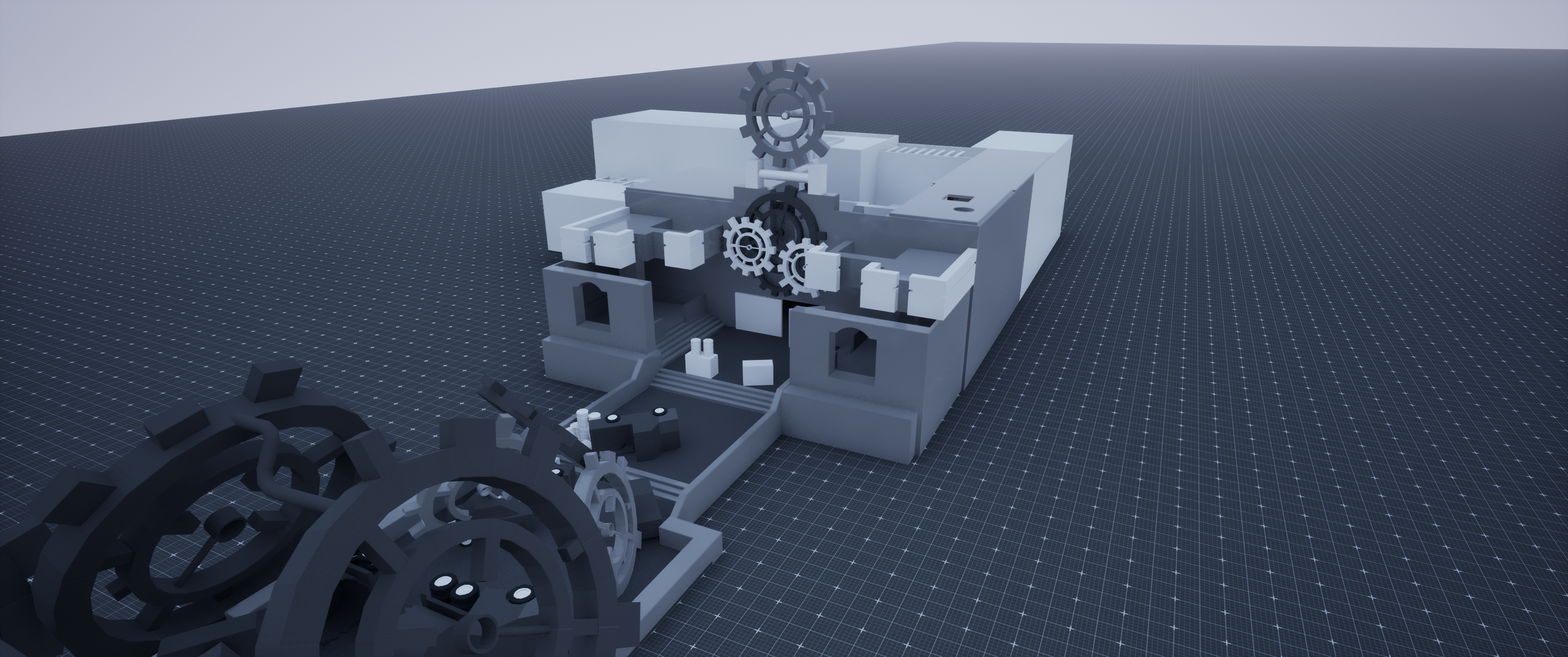
BULLET REGIME
Description: Bullet Regime is a single player Third Person Shooter, RPG, and 3D action game set in the 22nd century, where survival depends on trust, precision, and resolve. Players are drawn into a cold hostile city where danger lurks on every street and betrayal lingers in the shadows. To endure, they must form fragile alliances, unravel hidden truths, and carve a path toward vengeance. Every choice carries weight, and every step brings them closer to breaking through the regime, at a price only they can decide to pay.

Platforms: PC
Genre: Third Person Shooter
Type: Blockout, Personal Project
Role: Level Designer
Tools: Unreal Engine, Jakub W AGLS v1.2
Core Responsibilities: For my Bullet Regime level design project, I created a blockout of the first beat in Unreal Engine to establish scale, pacing, sightlines, and overall player flow. I created a World Design Document that covered the lore, environments, factions, and tone of the game, along with a detailed Level Design Document that outlined objectives, enemy encounters, navigation routes, and major set pieces. I developed top down layouts and multiple iterations to refine combat spaces and traversal paths, and I planned the progression for enemy types, weapon attachments, puzzles, and story moments. I also conducted playtesting to refine difficulty balance and created screenshots and notes to keep the design vision clear throughout development.
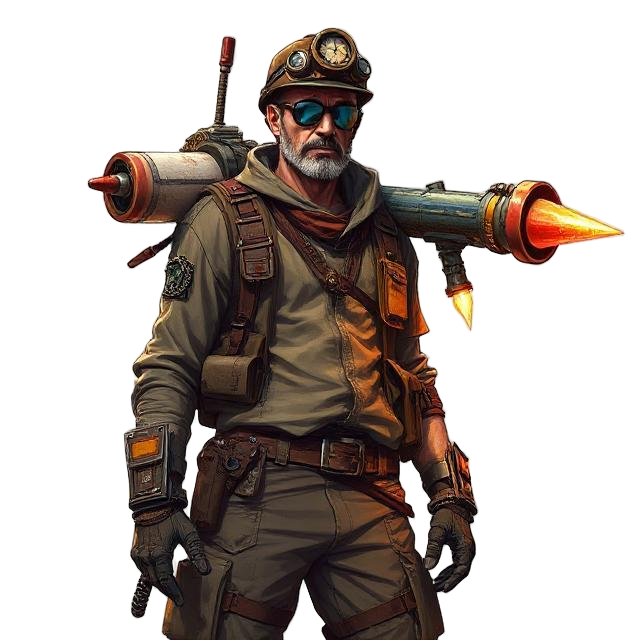
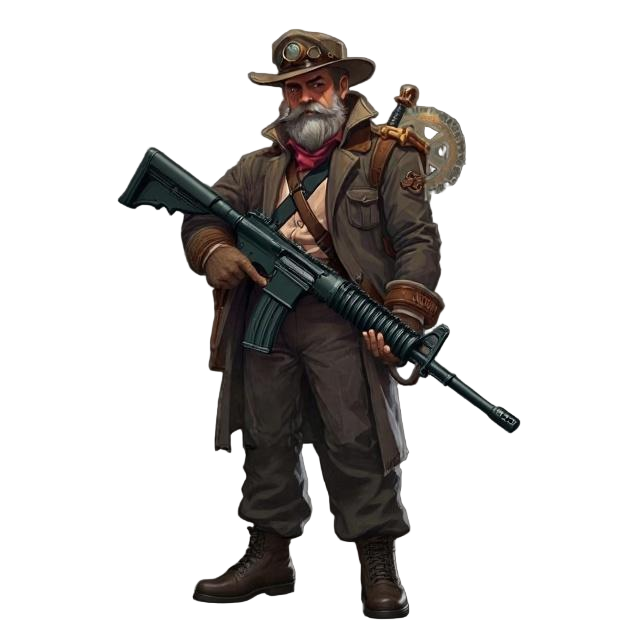
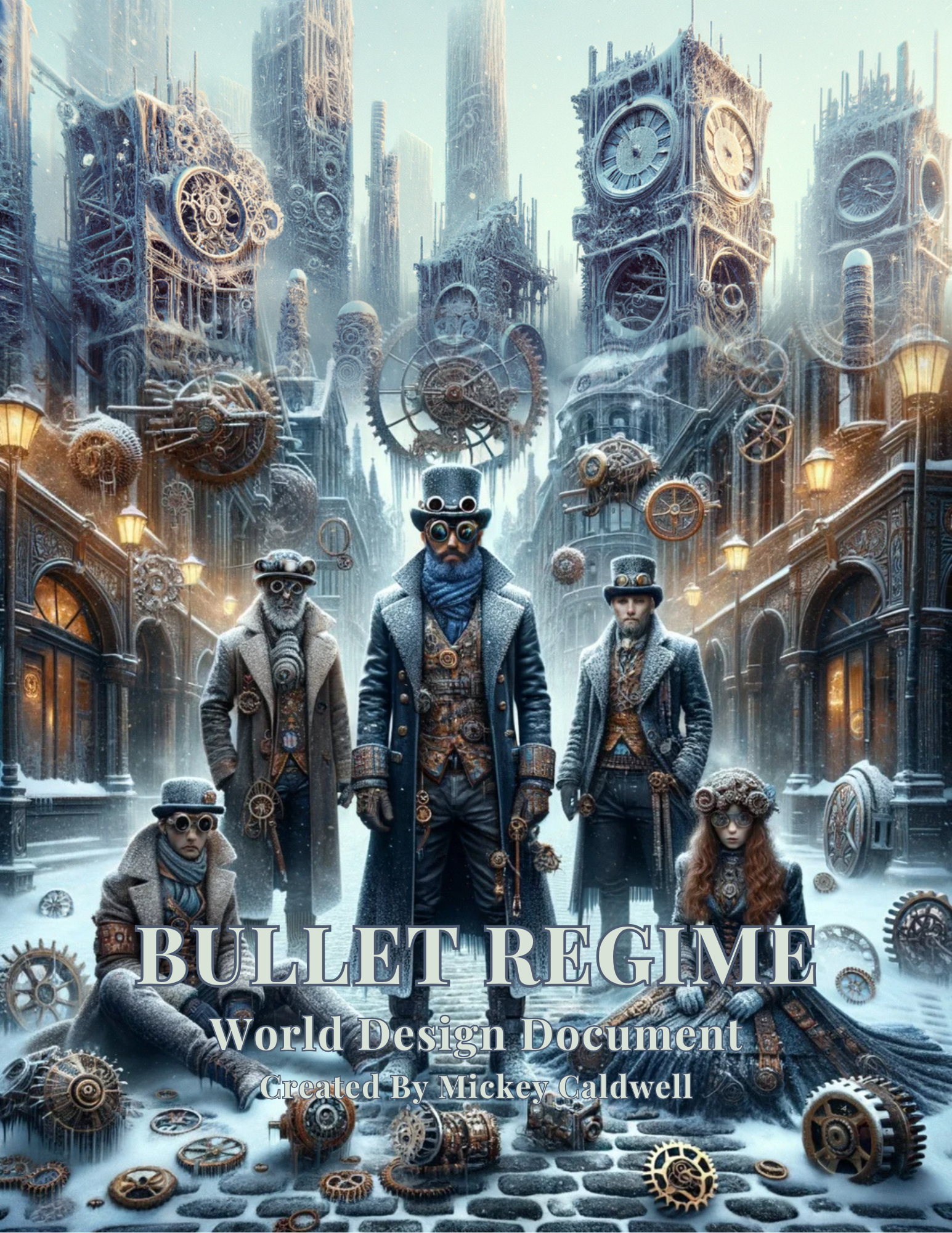
WORLD DESIGN DOCUMENT
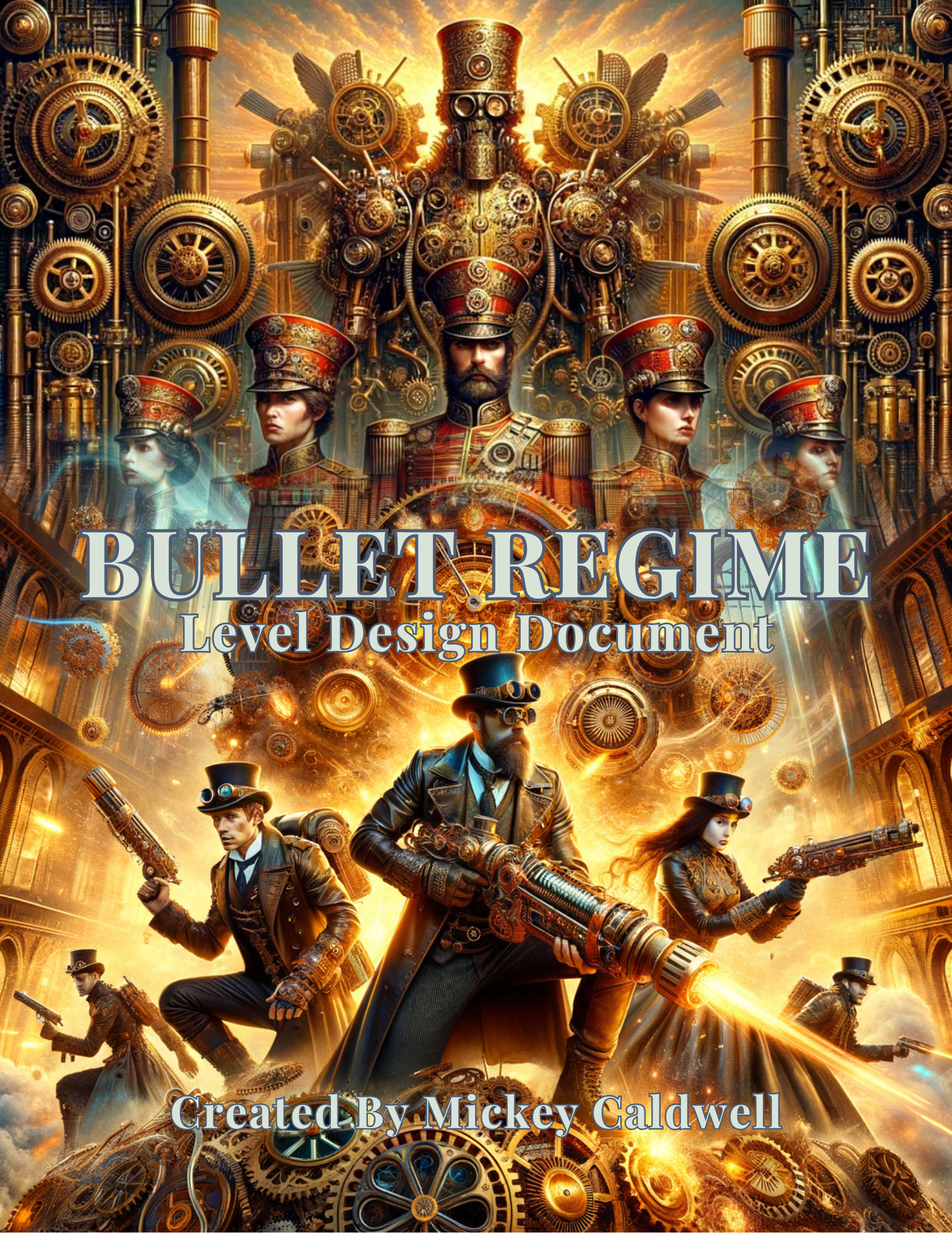
LEVEL DESIGN DOCUMENT
LEVEL BLOCKOUT
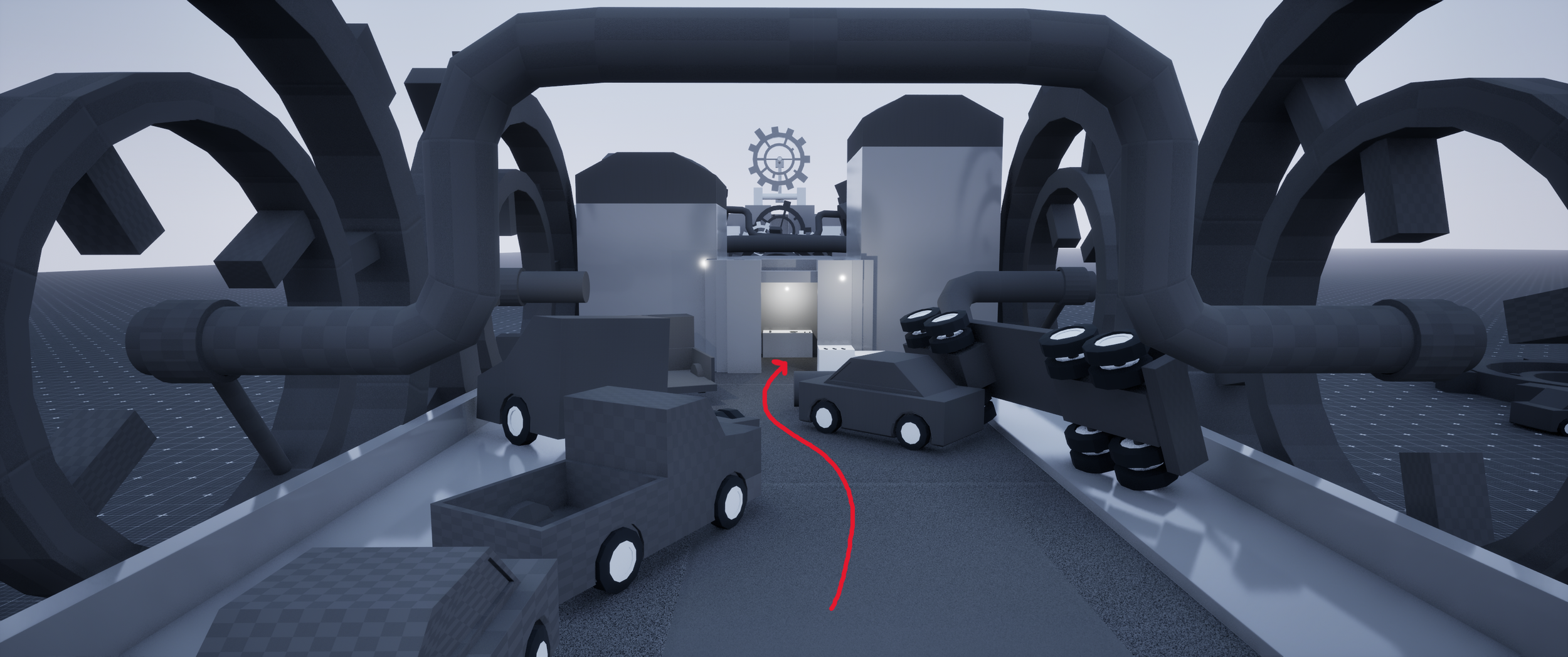
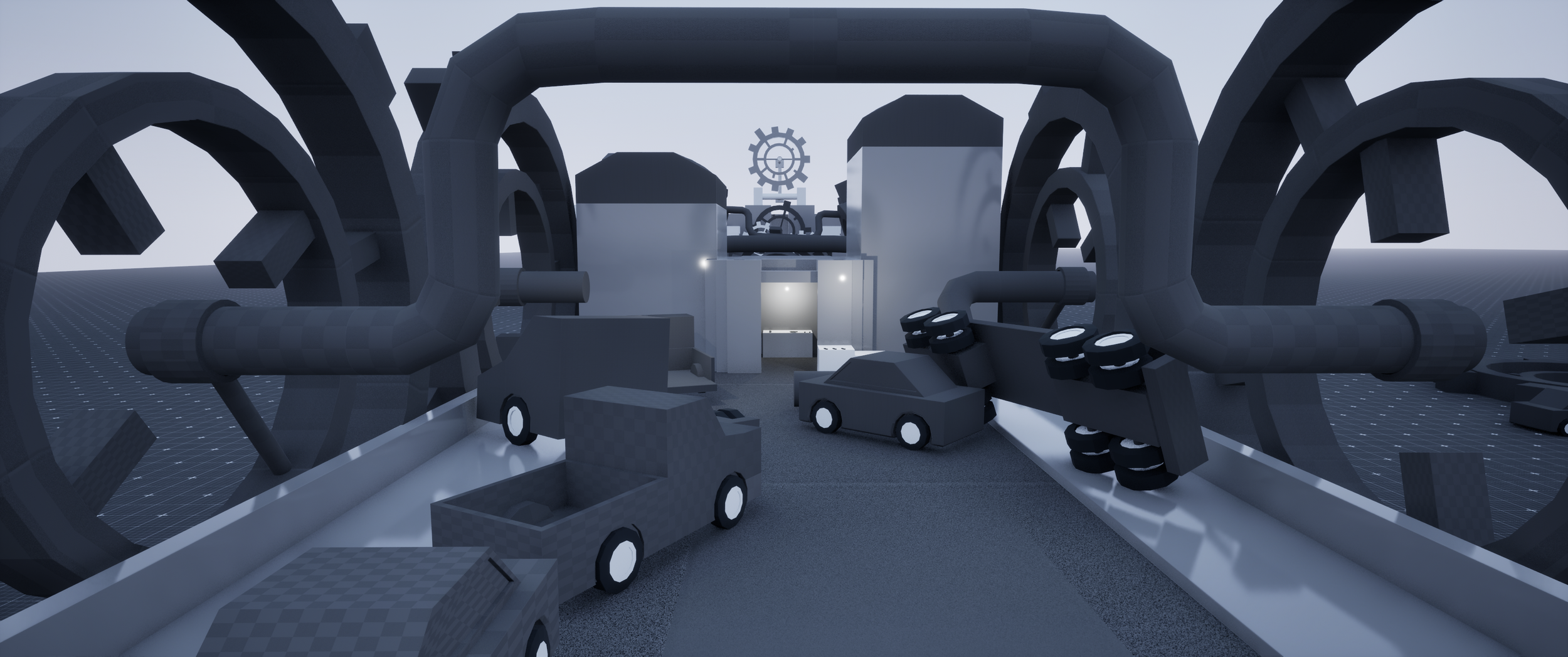
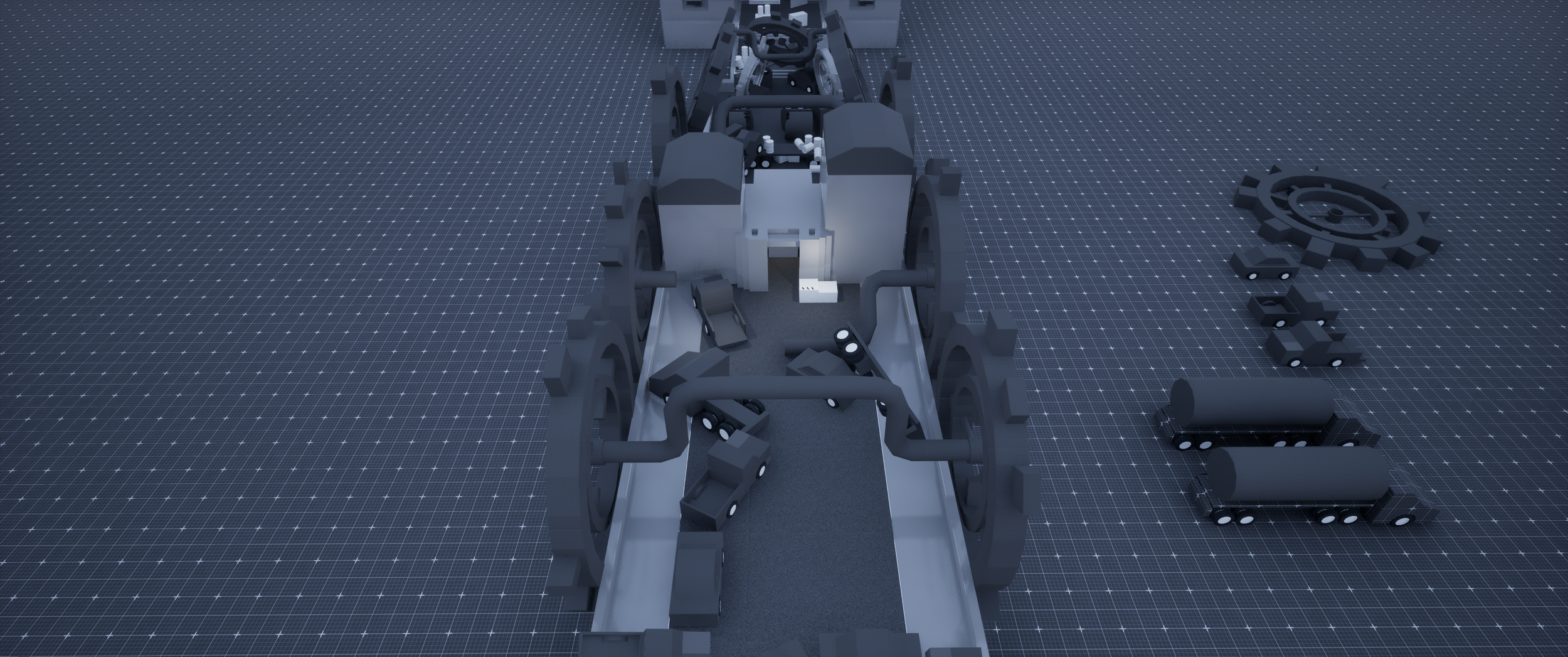
My first goal for the level was to guide the player across the bridge, give them a chance to pick up ammo and bandages, and push them into a brief encounter with a small group of enemies before moving them toward the lobby. I positioned and angled the vehicles so they naturally shaped a clear path forward, helping the player understand the intended flow without needing any on screen prompts.
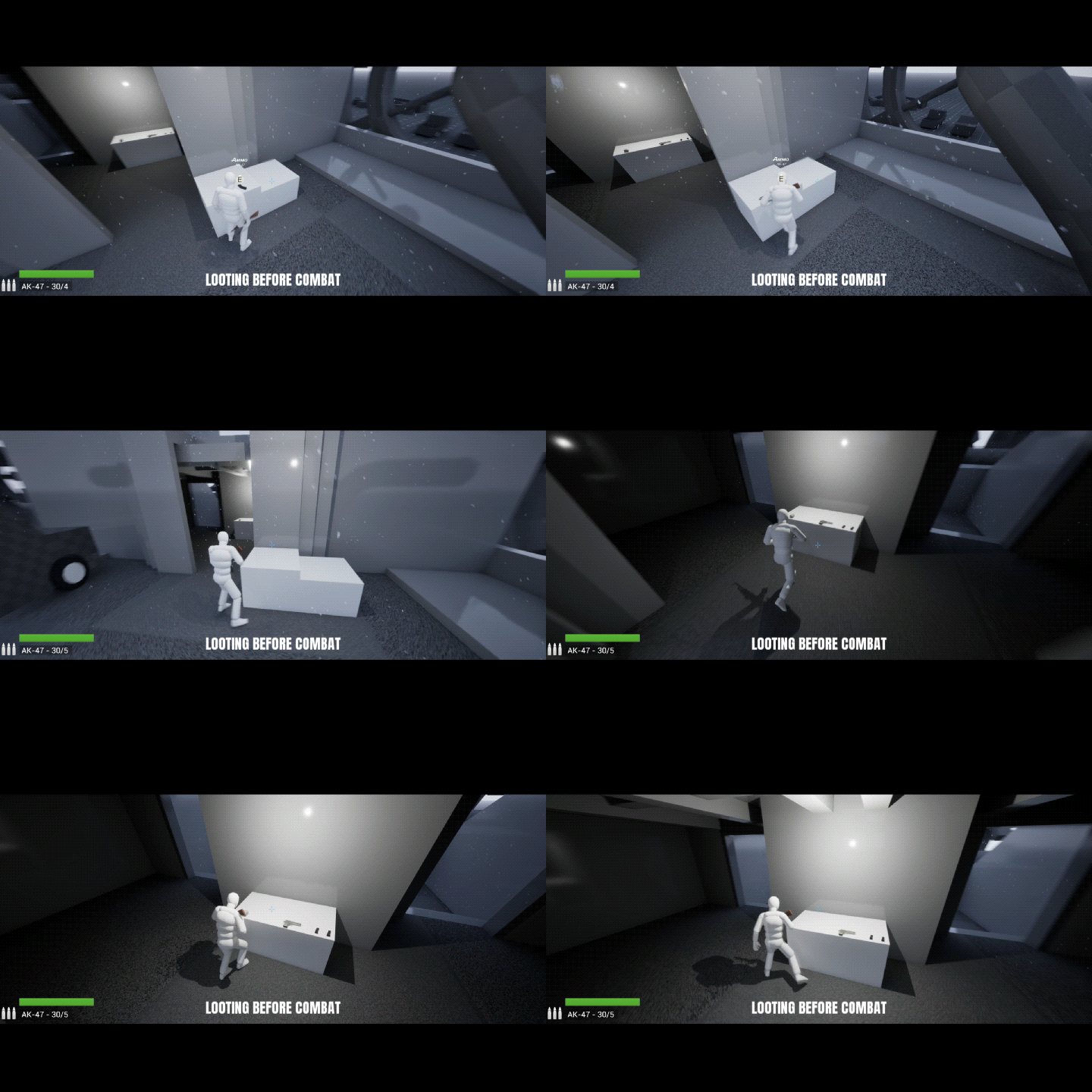
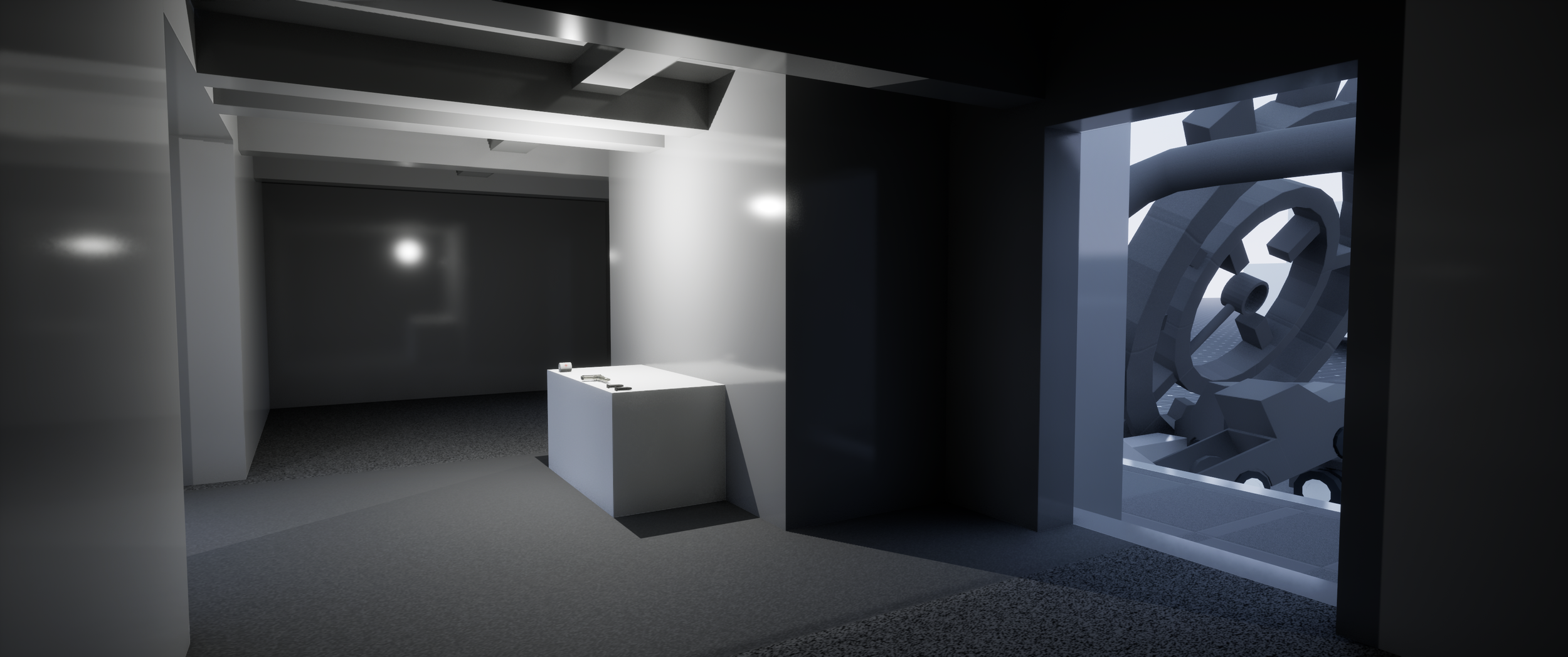
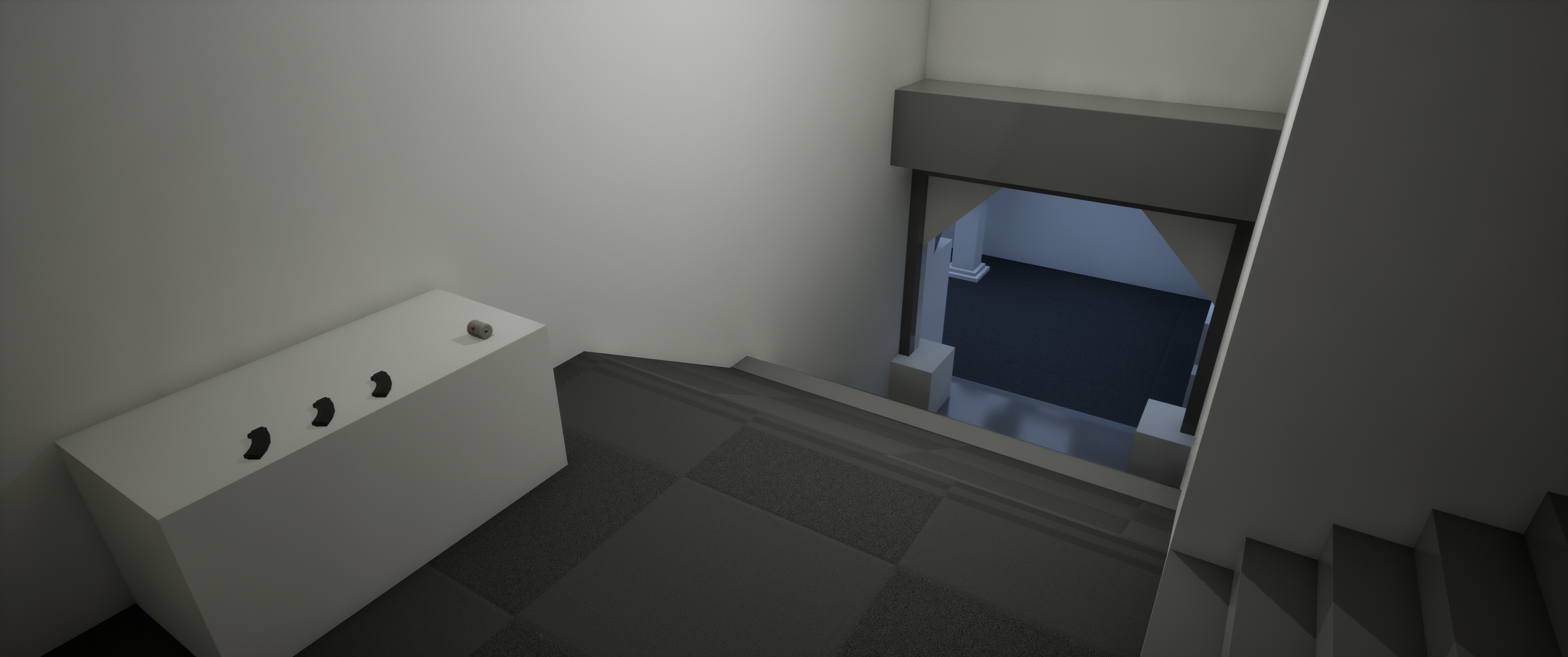
I placed bandages, a desert eagle, and two ammo clips inside the building to help the player prepare for what comes next. This small equipment room acts as a moment to regroup and gear up before the action ramps up. As soon as the player steps out of this space, they move straight into combat, creating a clear shift from preparation to engagement.
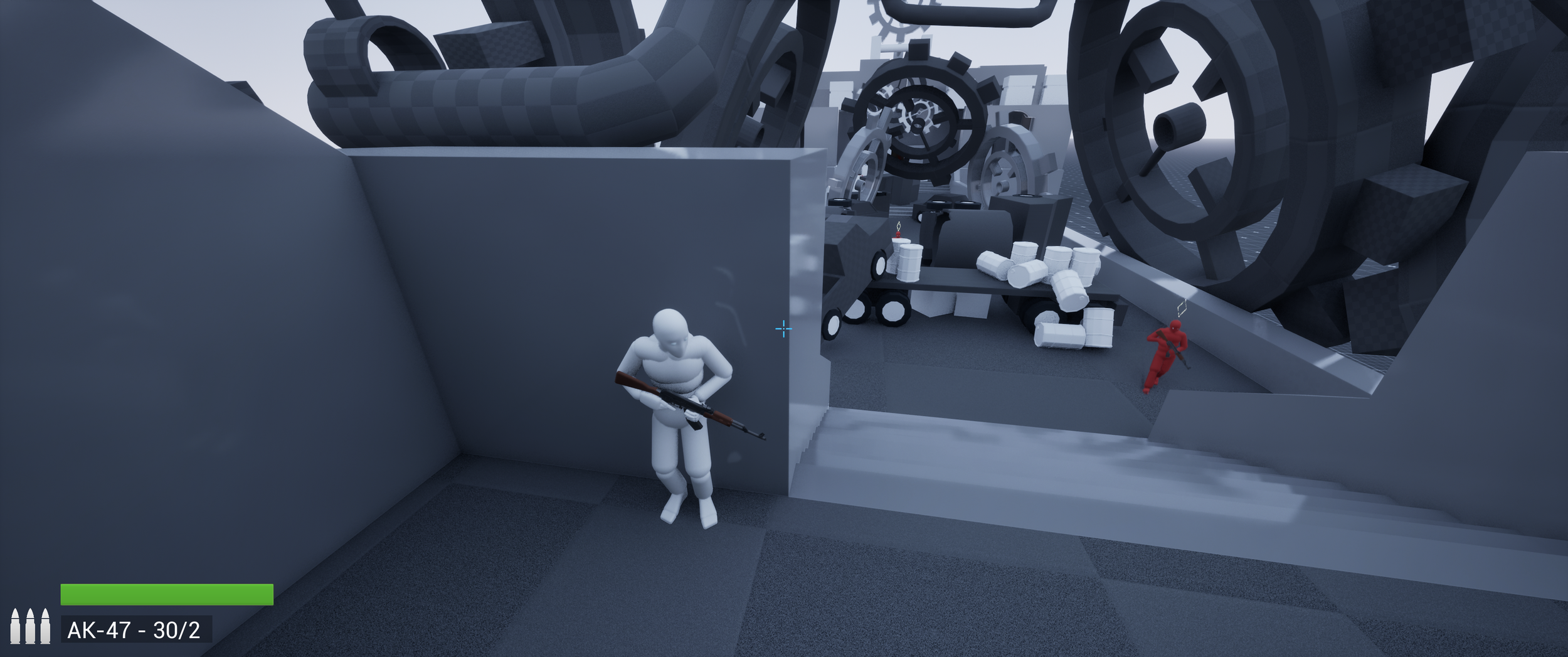
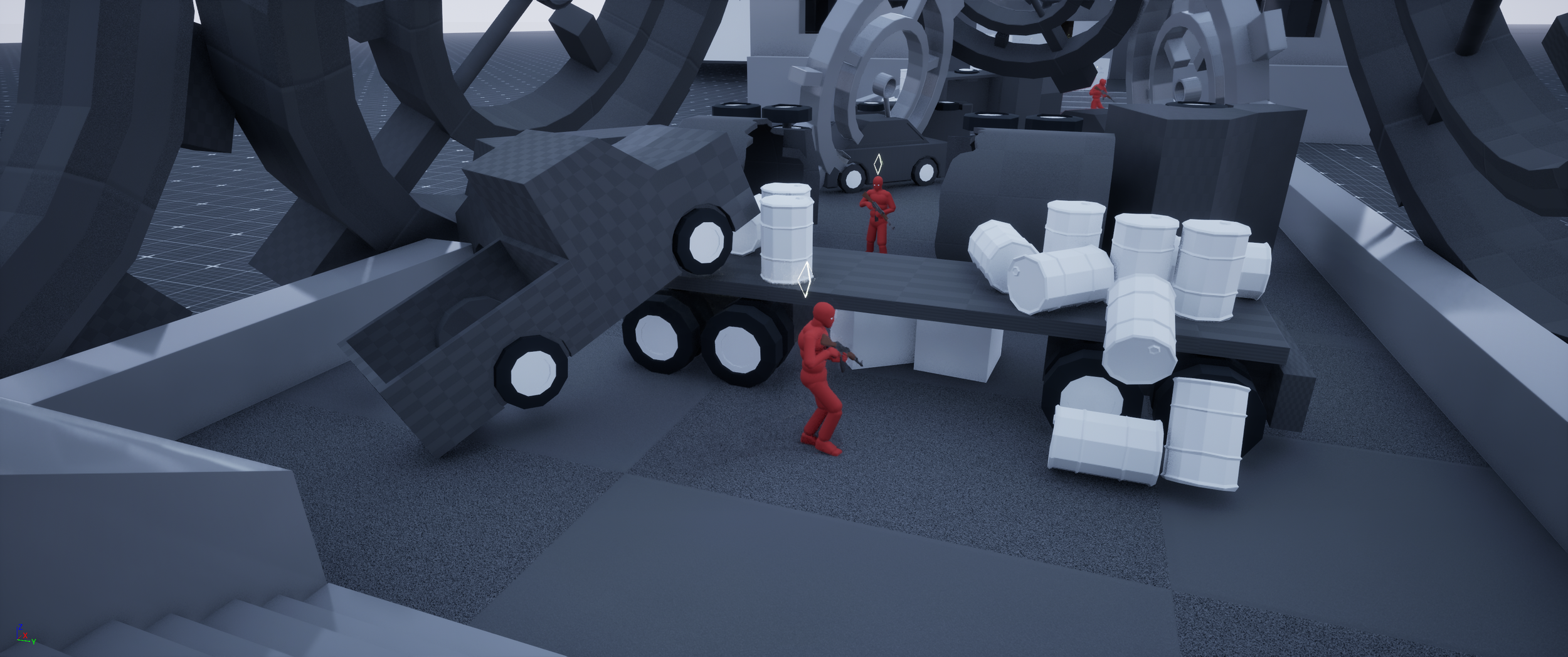
I added enemies that used pre made pathing blueprints, then spent time configuring each one so they would move exactly where I wanted them to. This let me shape the rhythm of the encounter by directing enemy movement, timing their approach, and creating clear pressure points for the player as they advanced.
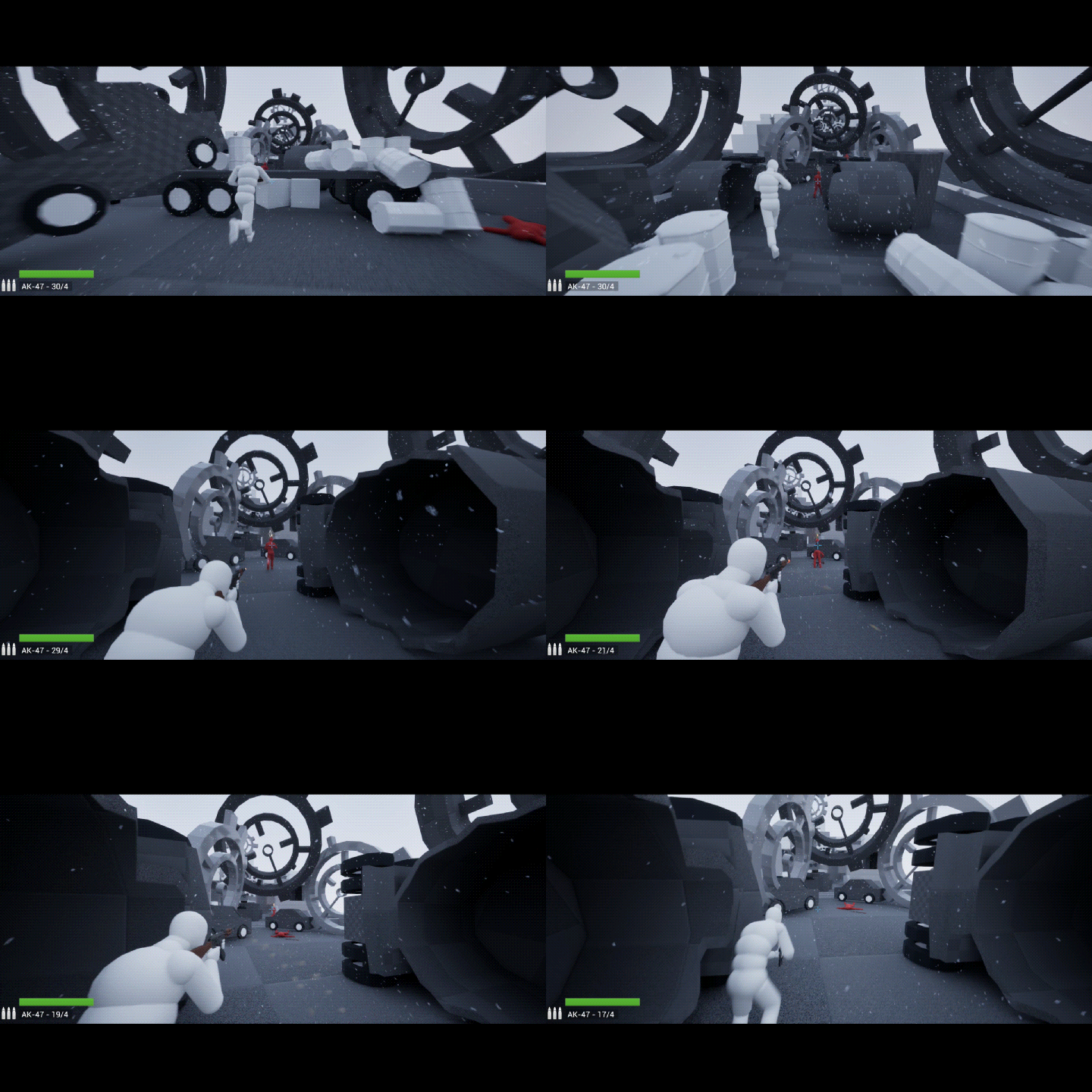
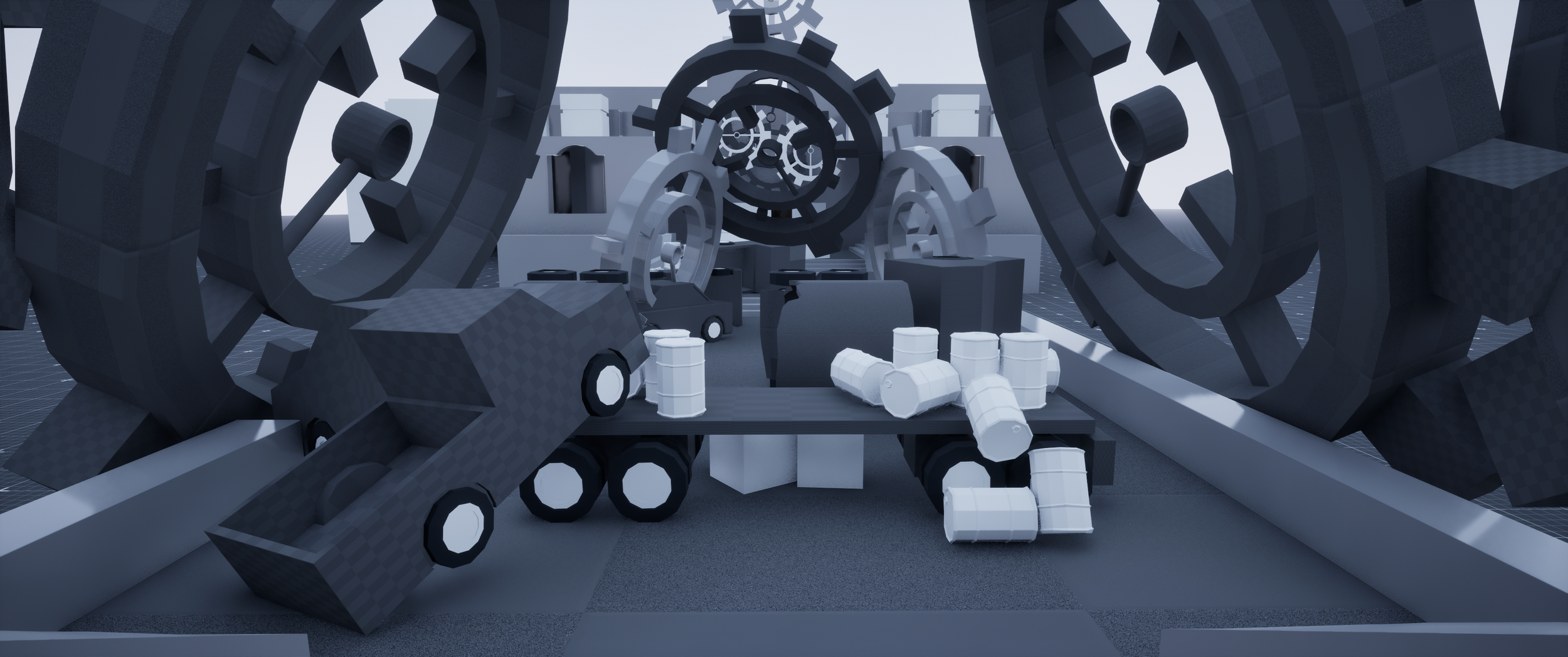
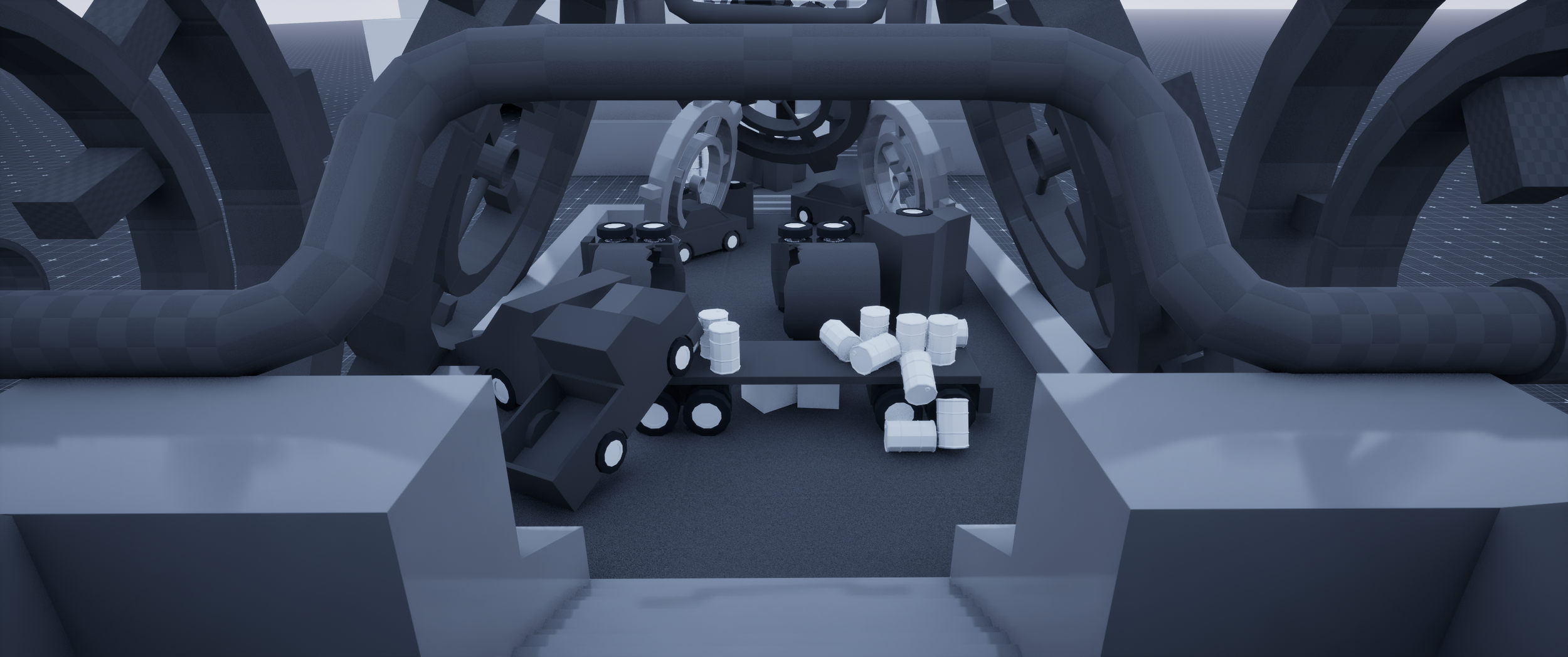
I kept the player’s flow consistent by using the vehicles to shape their path. I let the player hop onto the trailer and then continue forward through the broken oil tanker, which keeps their movement steady and pushes them deeper into the level without breaking the pace.
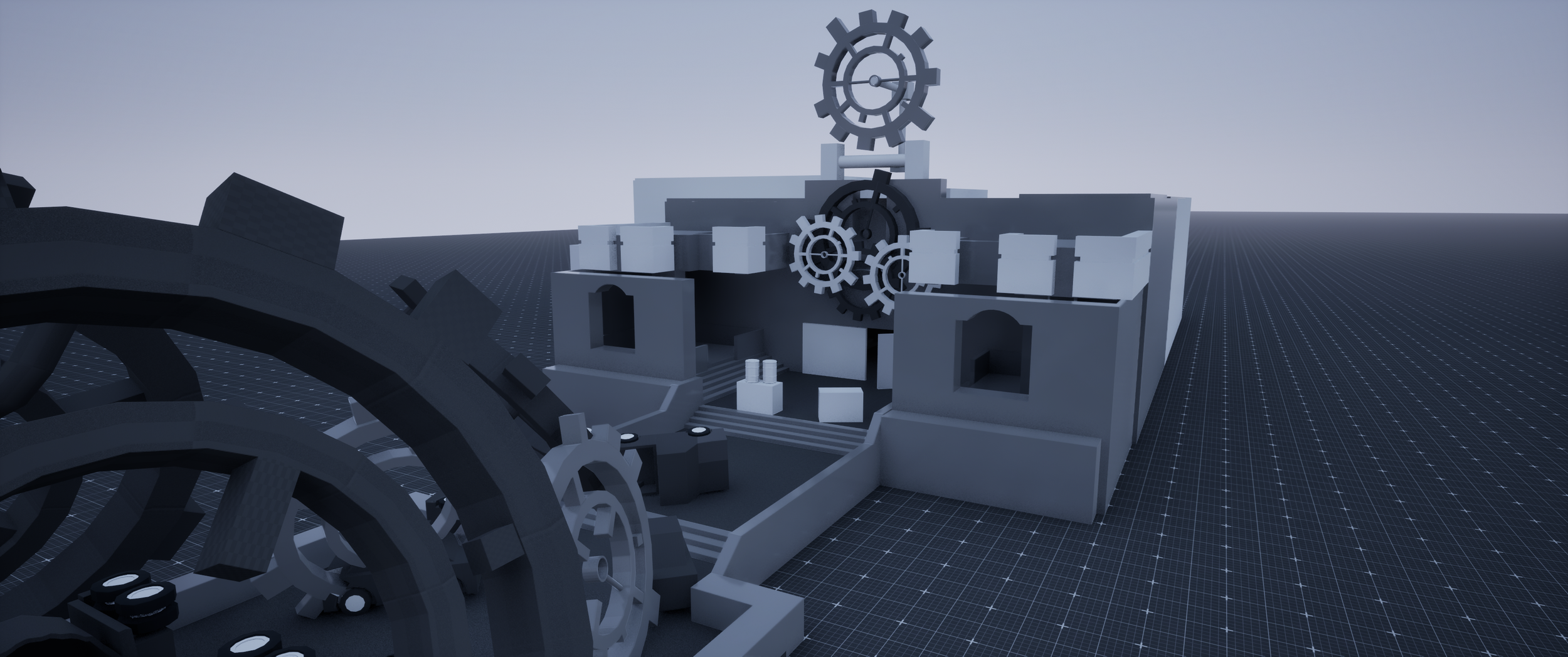
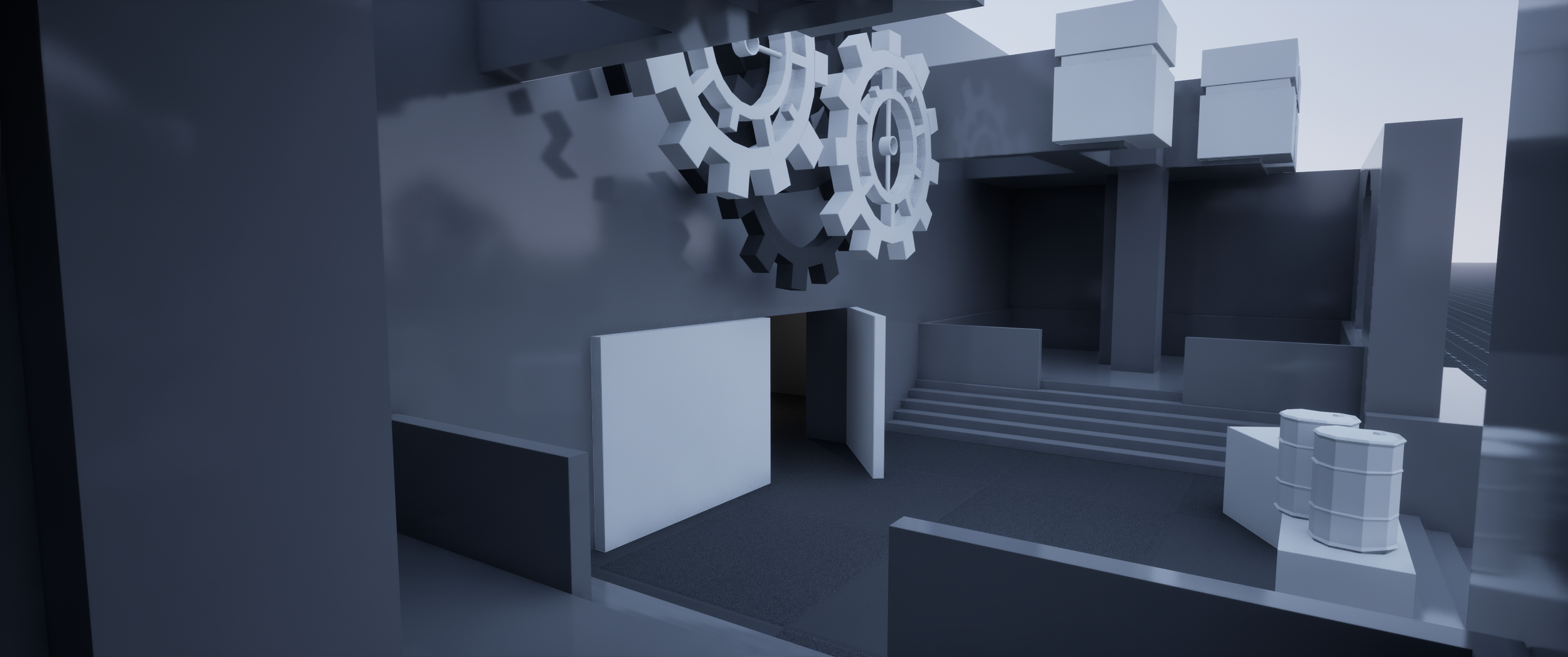
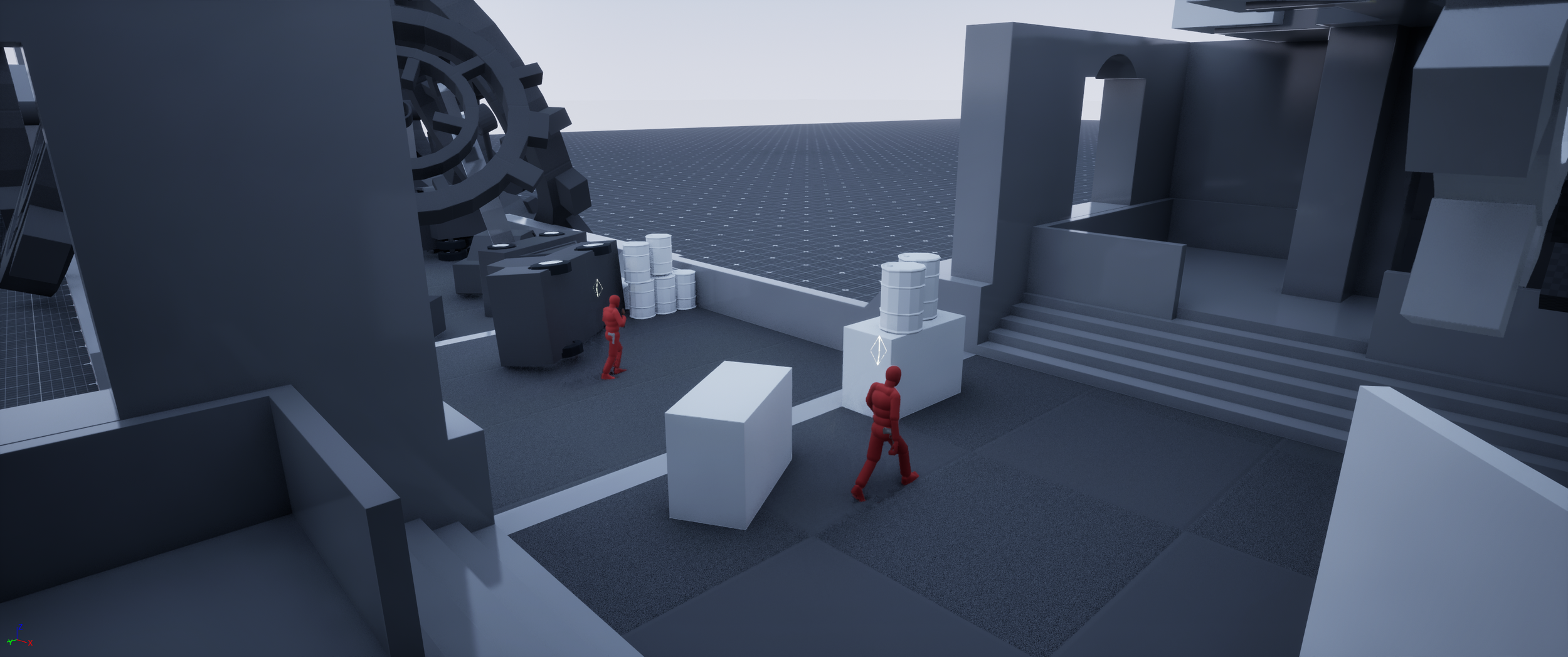
After the player clears the enemies and crosses the bridge, I guide them toward the lobby door. By this point they have picked up supplies and handled their first fight, so moving into the lobby becomes the natural next step in the level’s flow. I shaped the path to pull their attention forward and build a sense of anticipation as they move into the next stage of the mission.
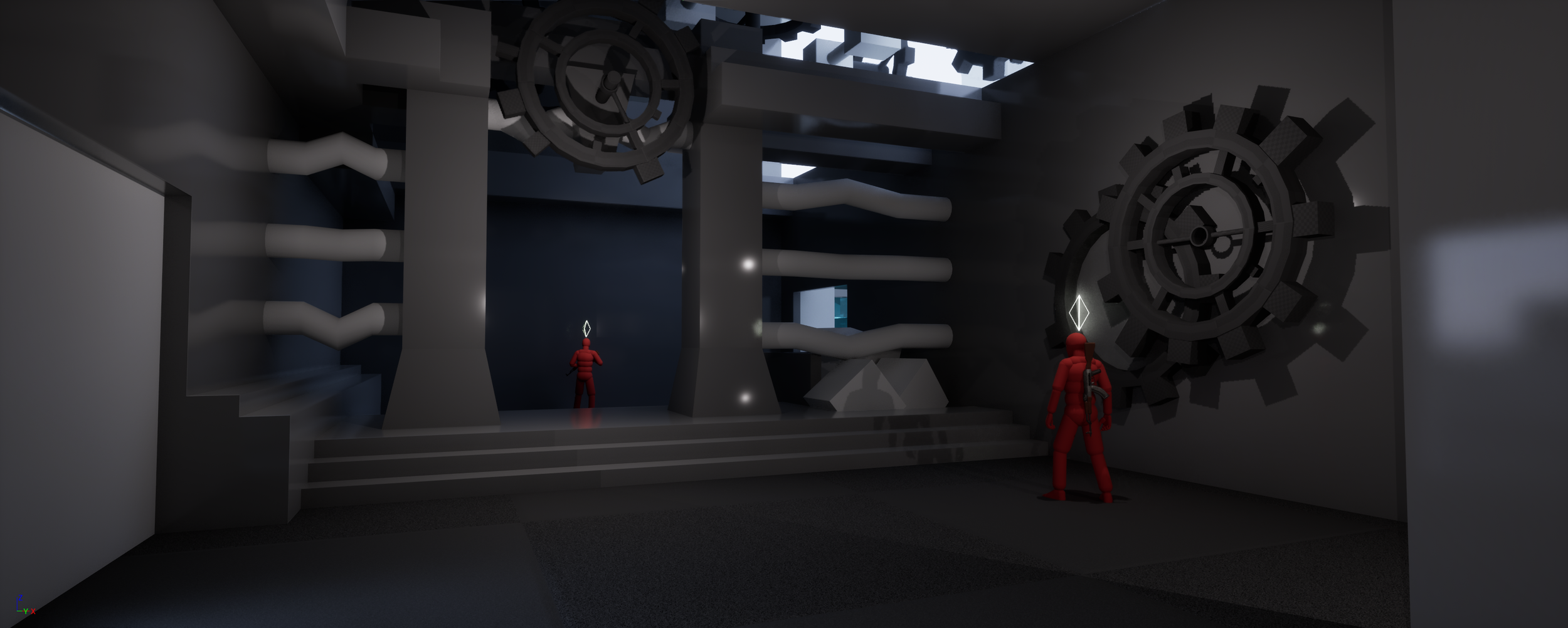
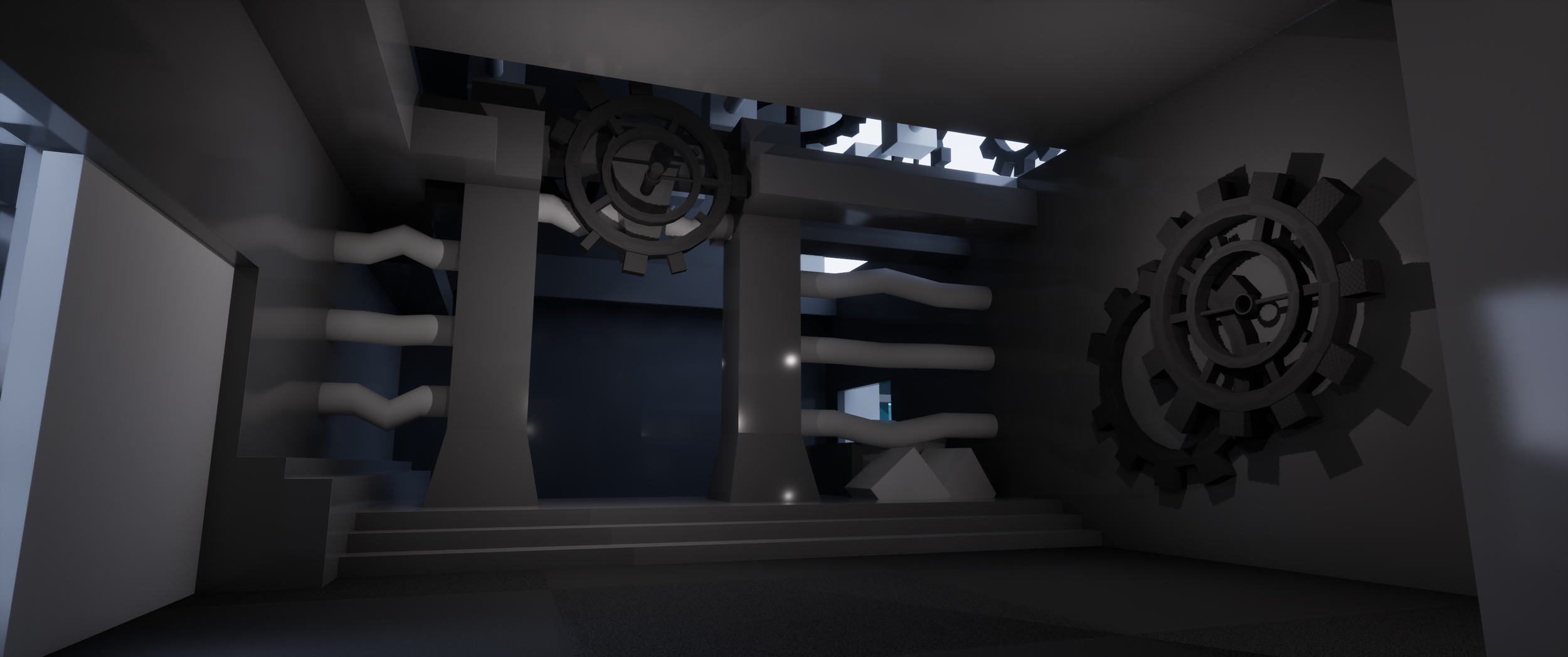
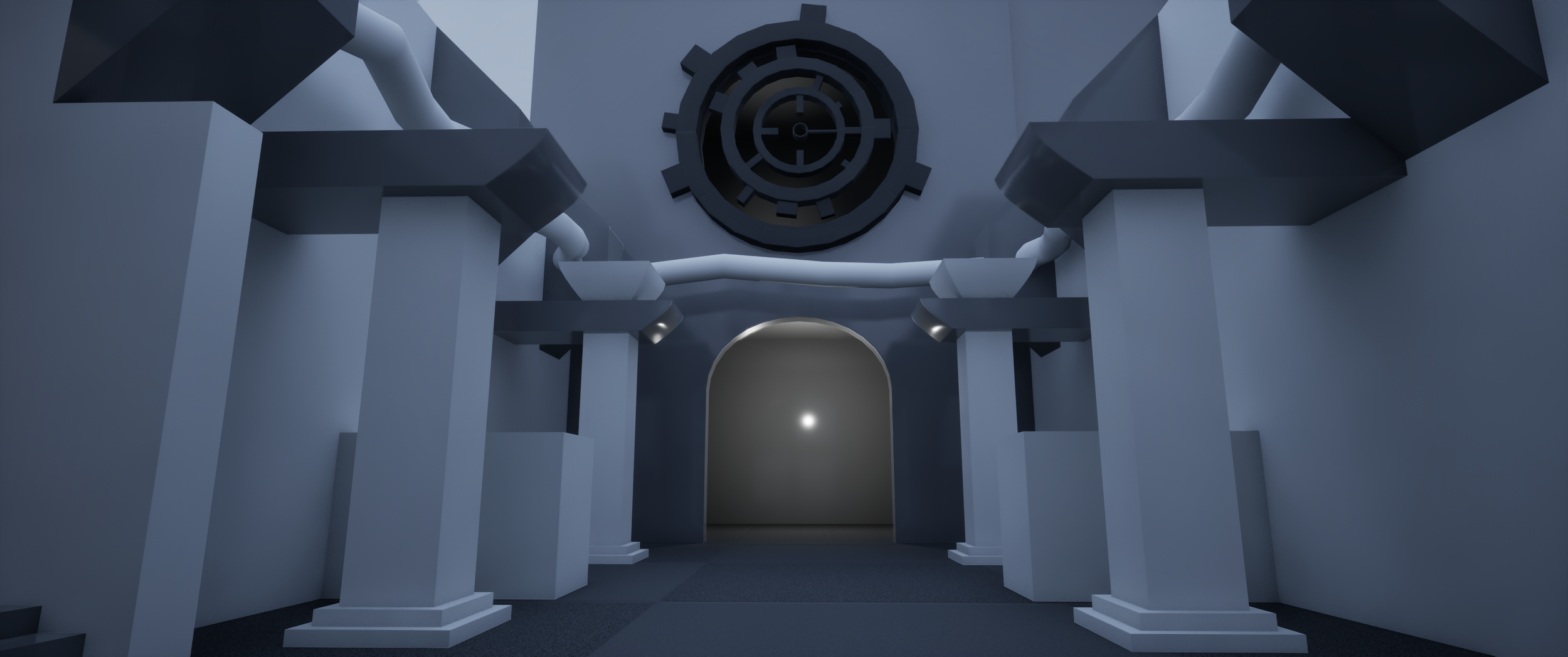
As soon as the player steps into the lobby, I want them to feel the pressure right away. I placed two enemies near the entrance so the player has to react quickly and clear the area before they can move any further. This short encounter keeps the momentum going after the bridge sequence and immediately tells the player that the lobby is not a calm transition zone. I want this part of the level to feel active, tense, and alive, so the enemy placement is designed to grab the player’s attention and lock them into the flow of the action.
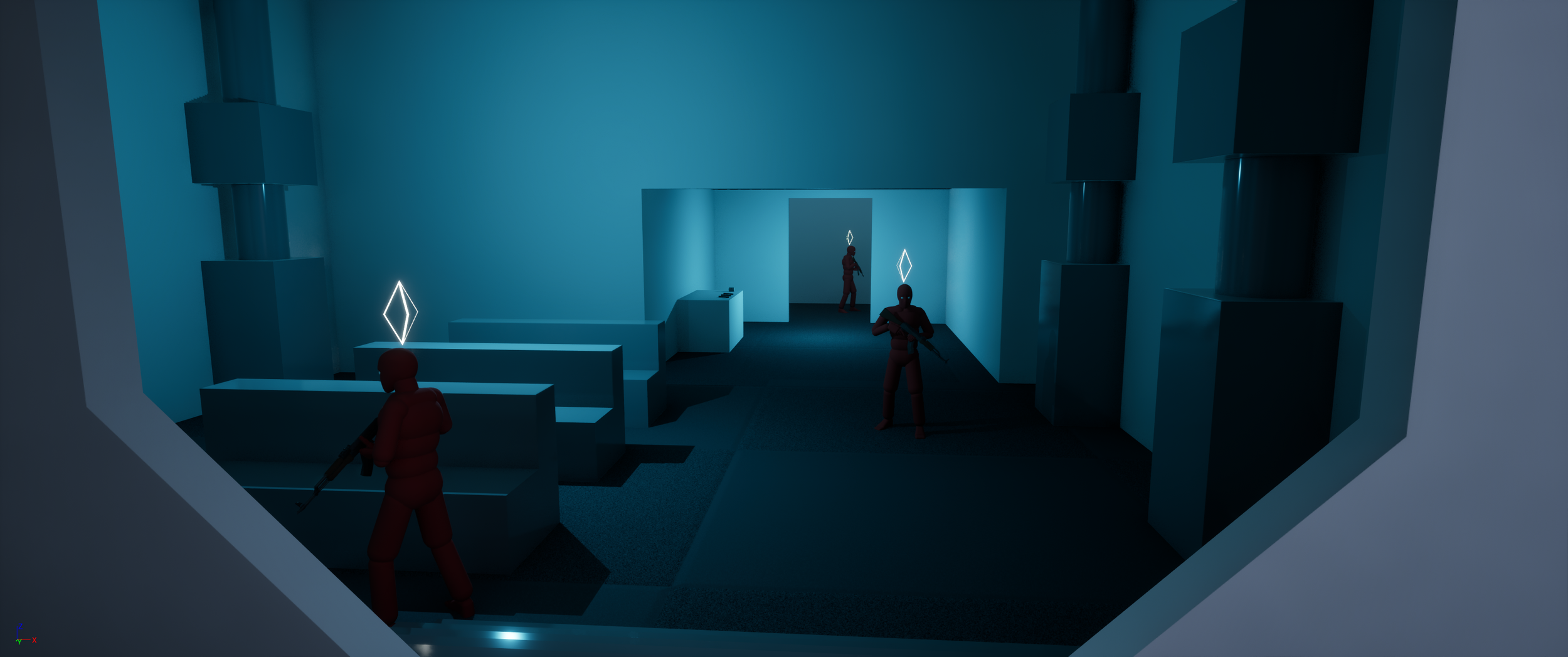
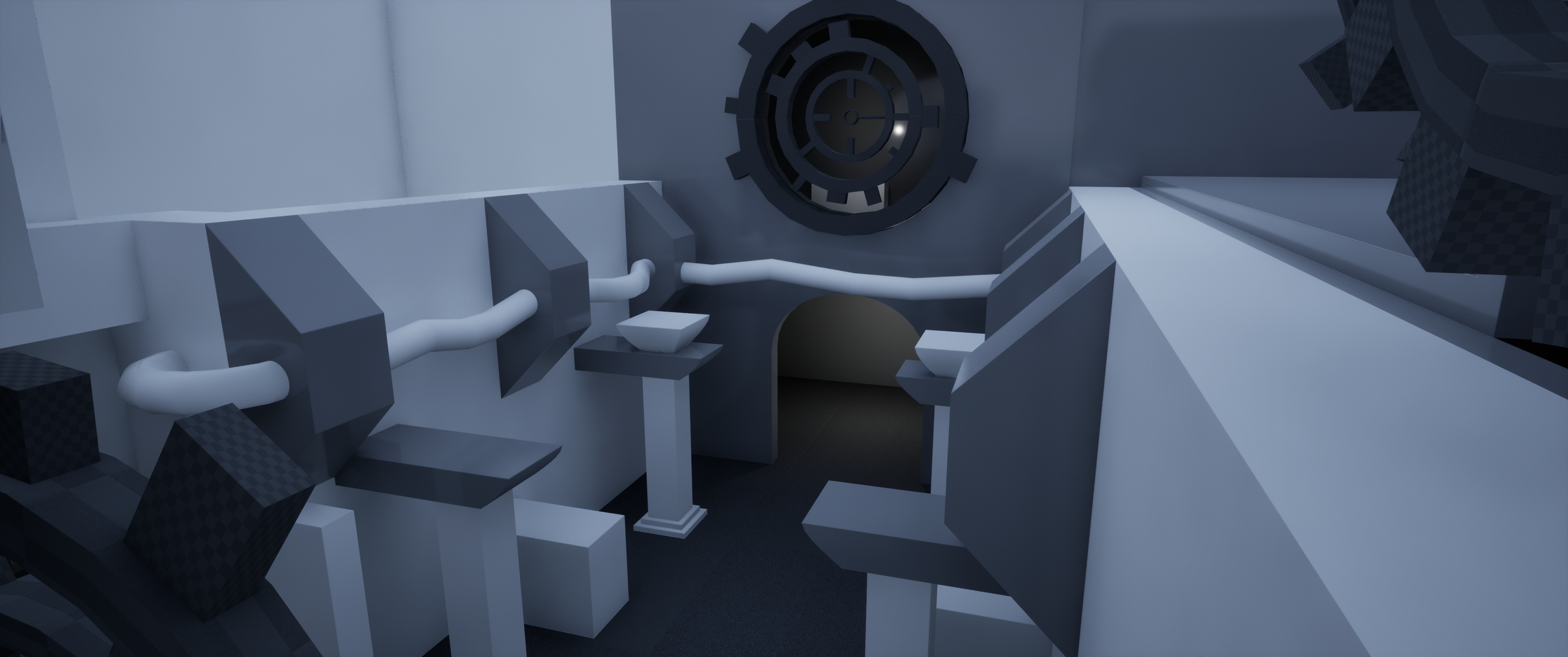
I designed this room to hit the player with a burst of heavy combat by placing three enemies inside. I wanted this moment to raise the player’s heart rate and make them stay alert as soon as they enter. Once the enemies are defeated, I give the player a chance to breathe by letting them restock on ammo and heal before moving deeper into the level.
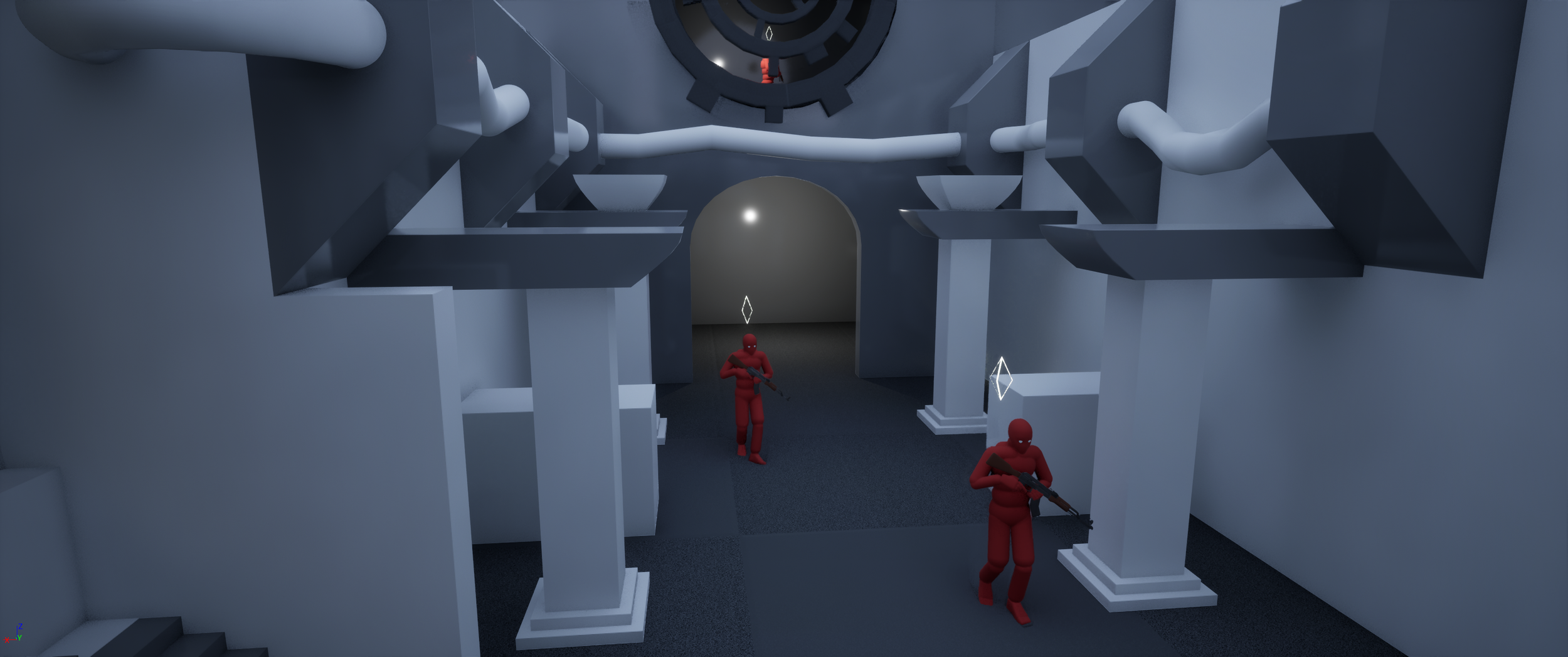
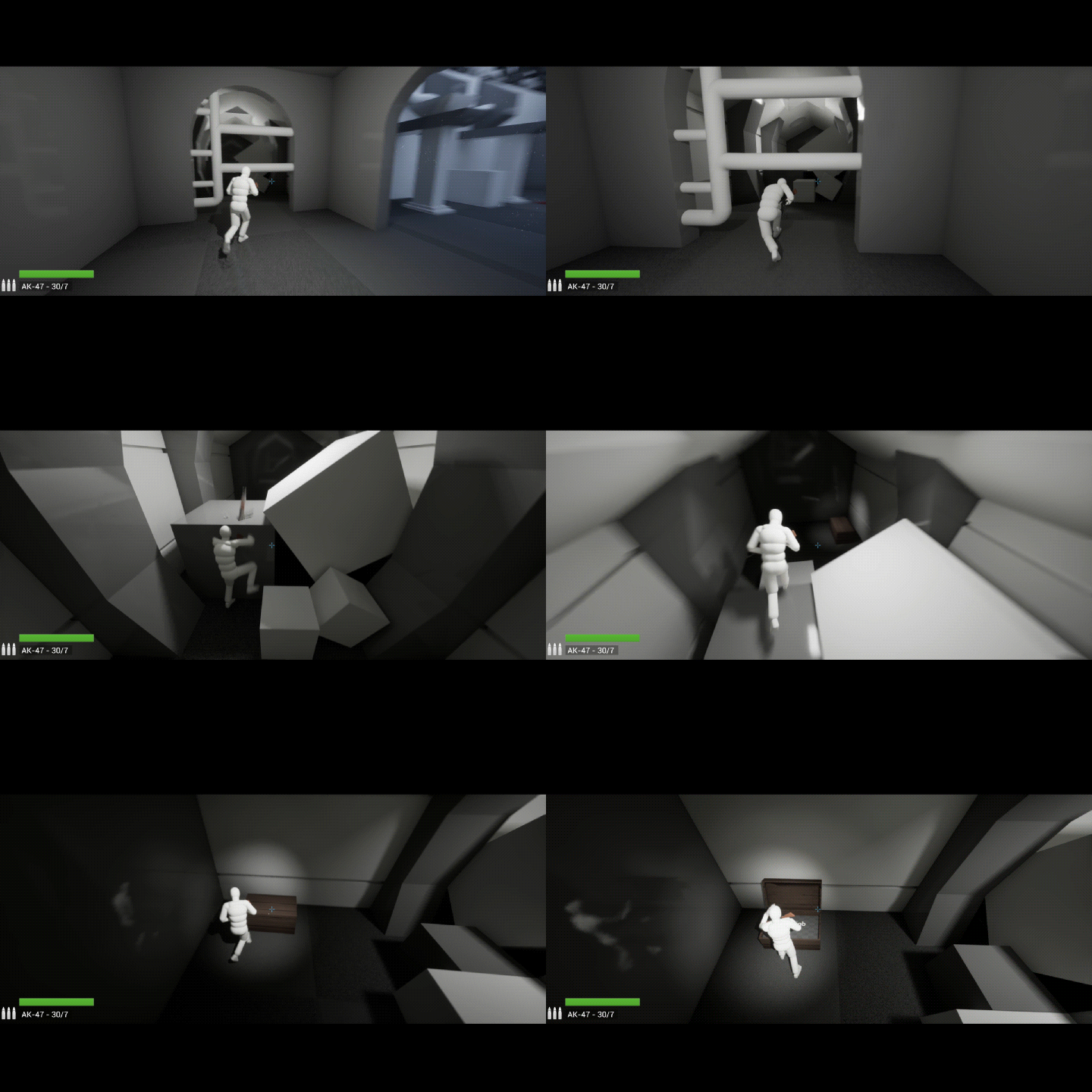
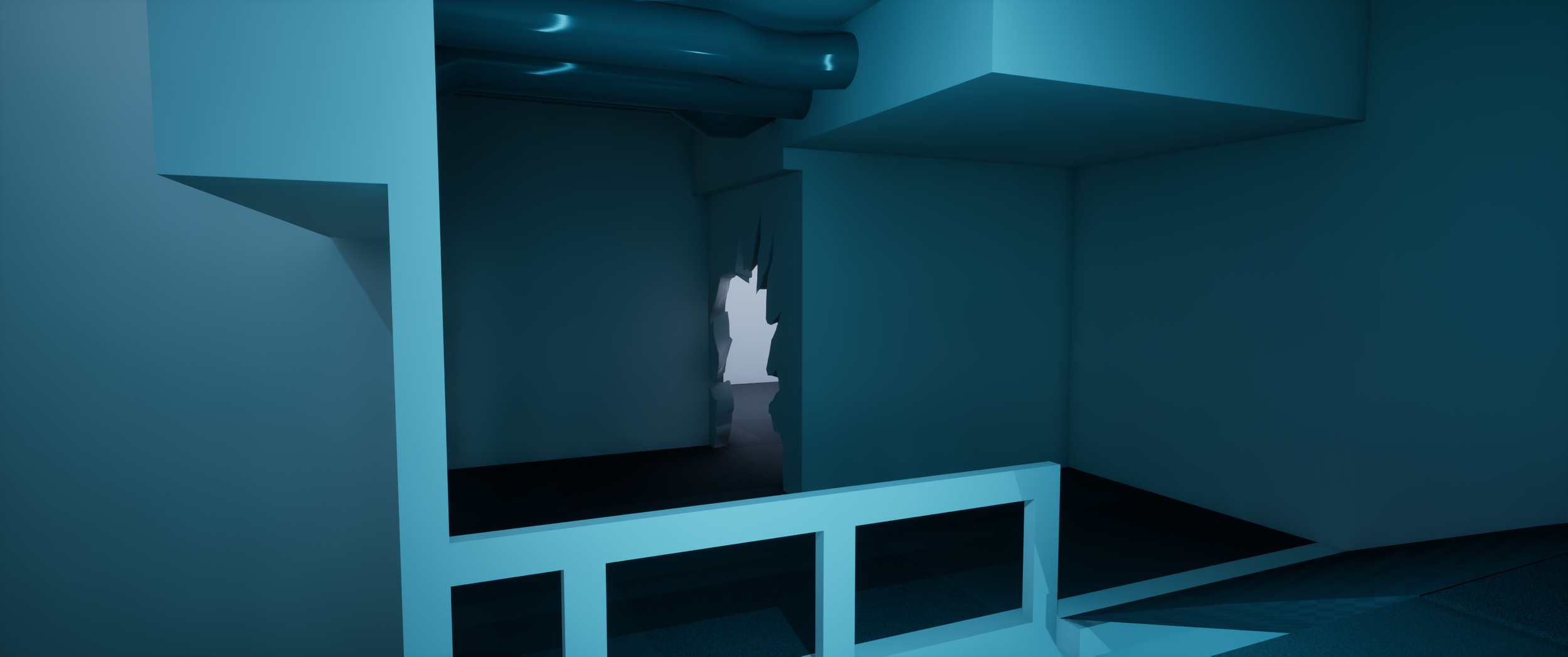
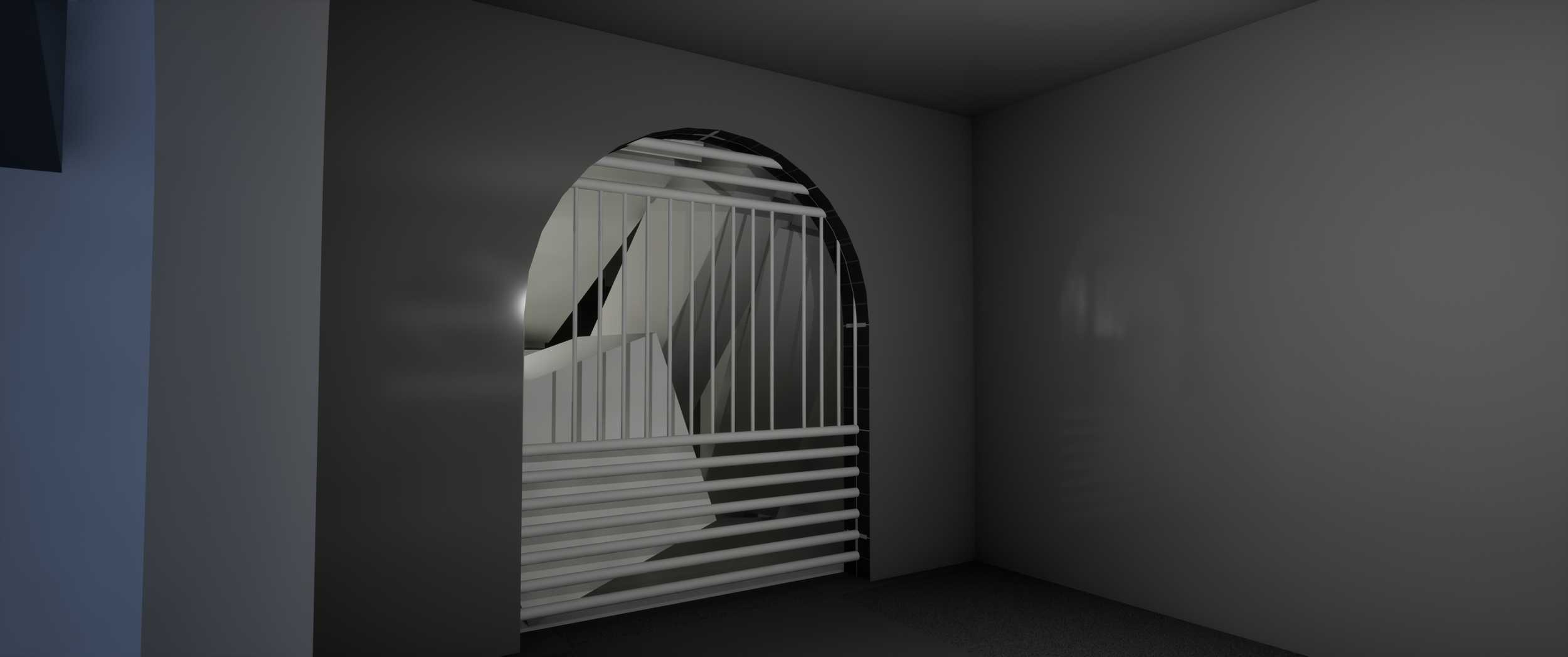
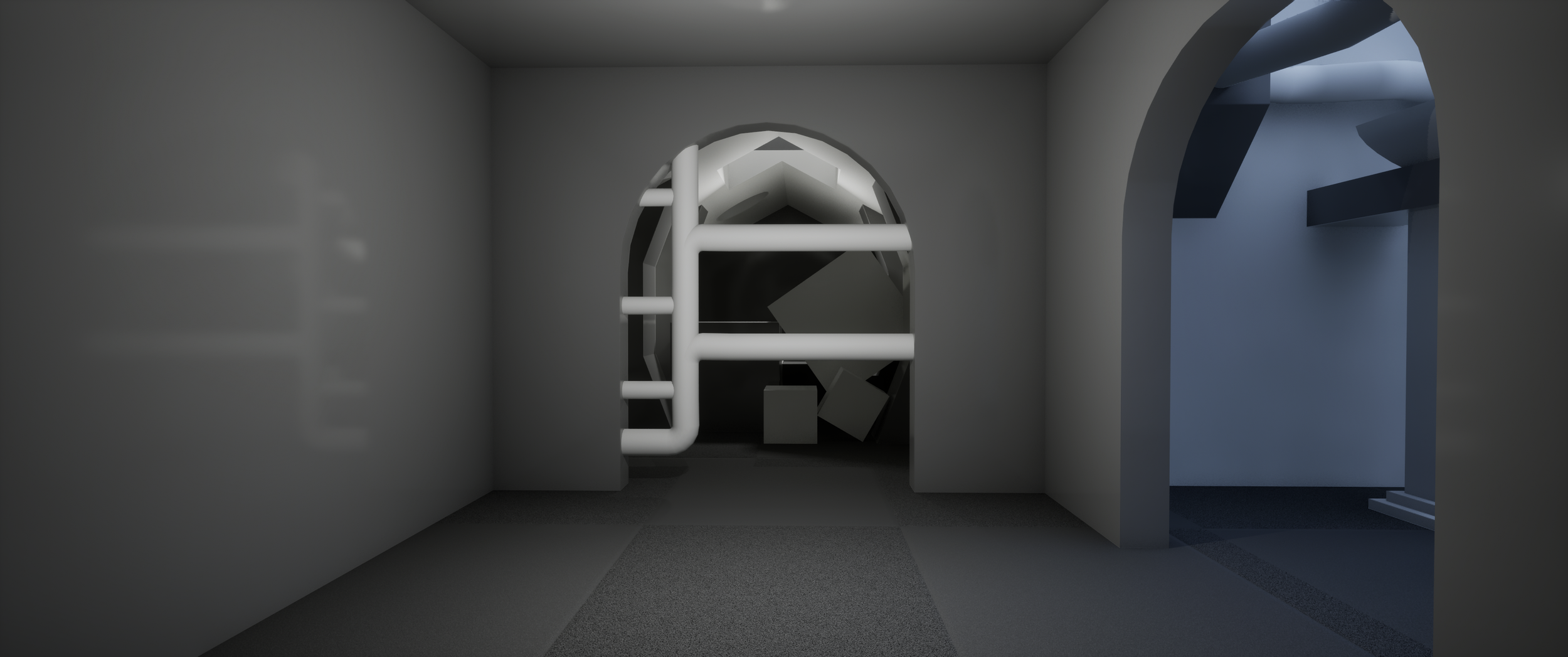
For this part of the level, I added some simple mechanics for the player. I made them duck under pipes, climb onto a box, and then loot a chest. I added these steps because it felt more engaging than having the player just run through a hallway. It gives the level a bit more flavor and keeps the gameplay feeling active and interesting.
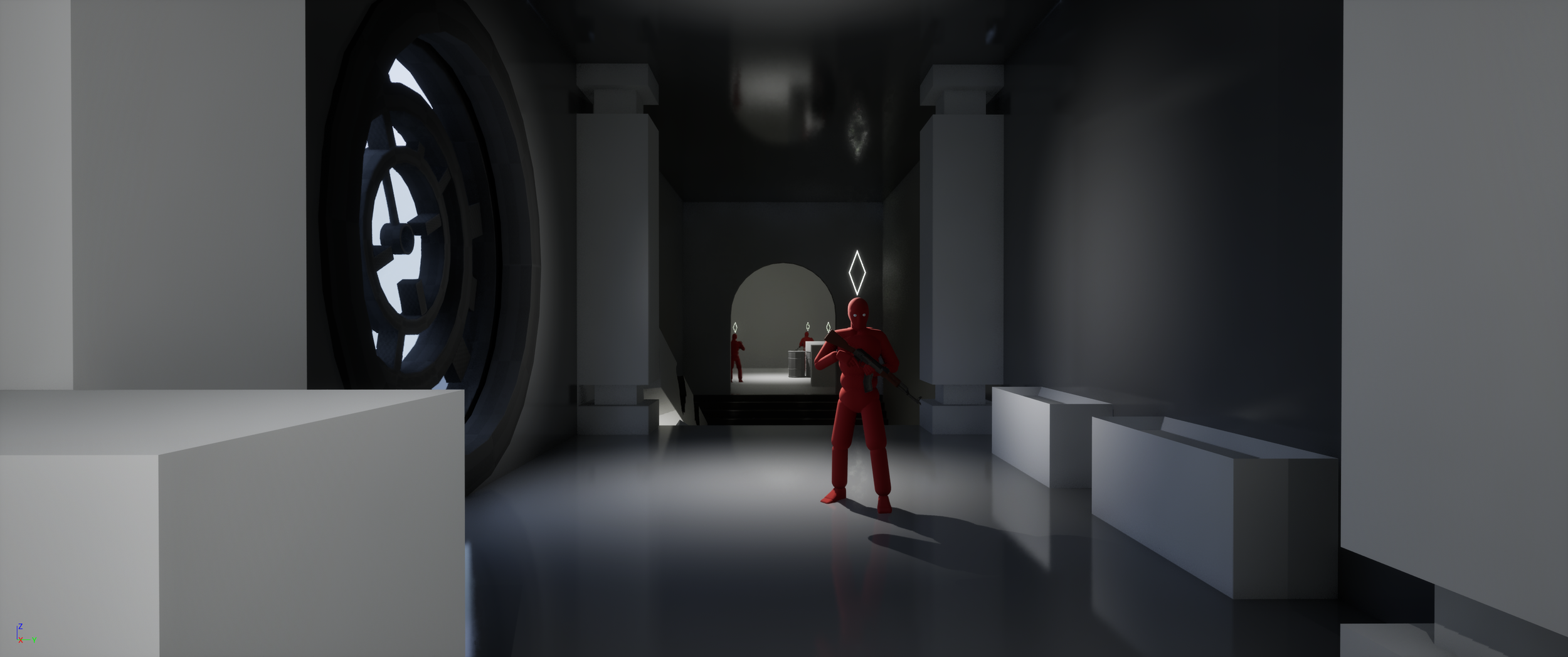
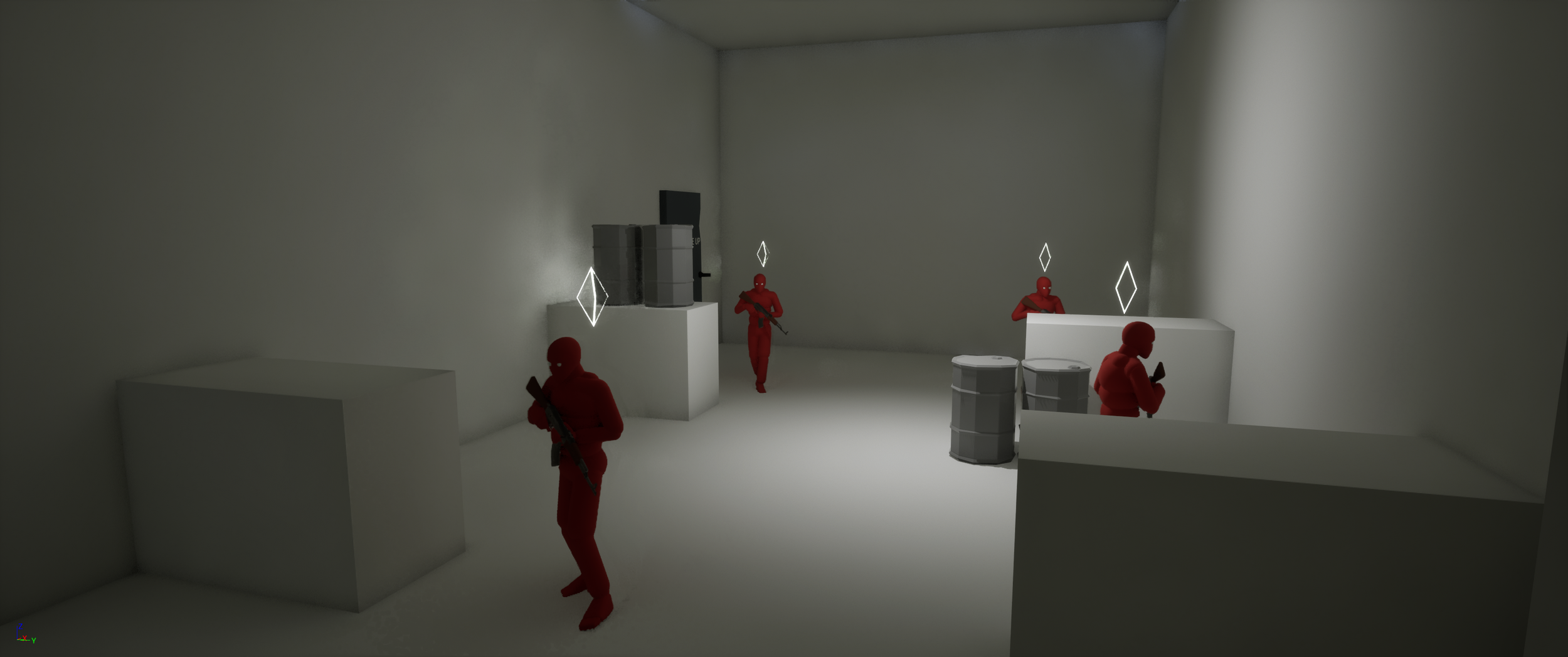
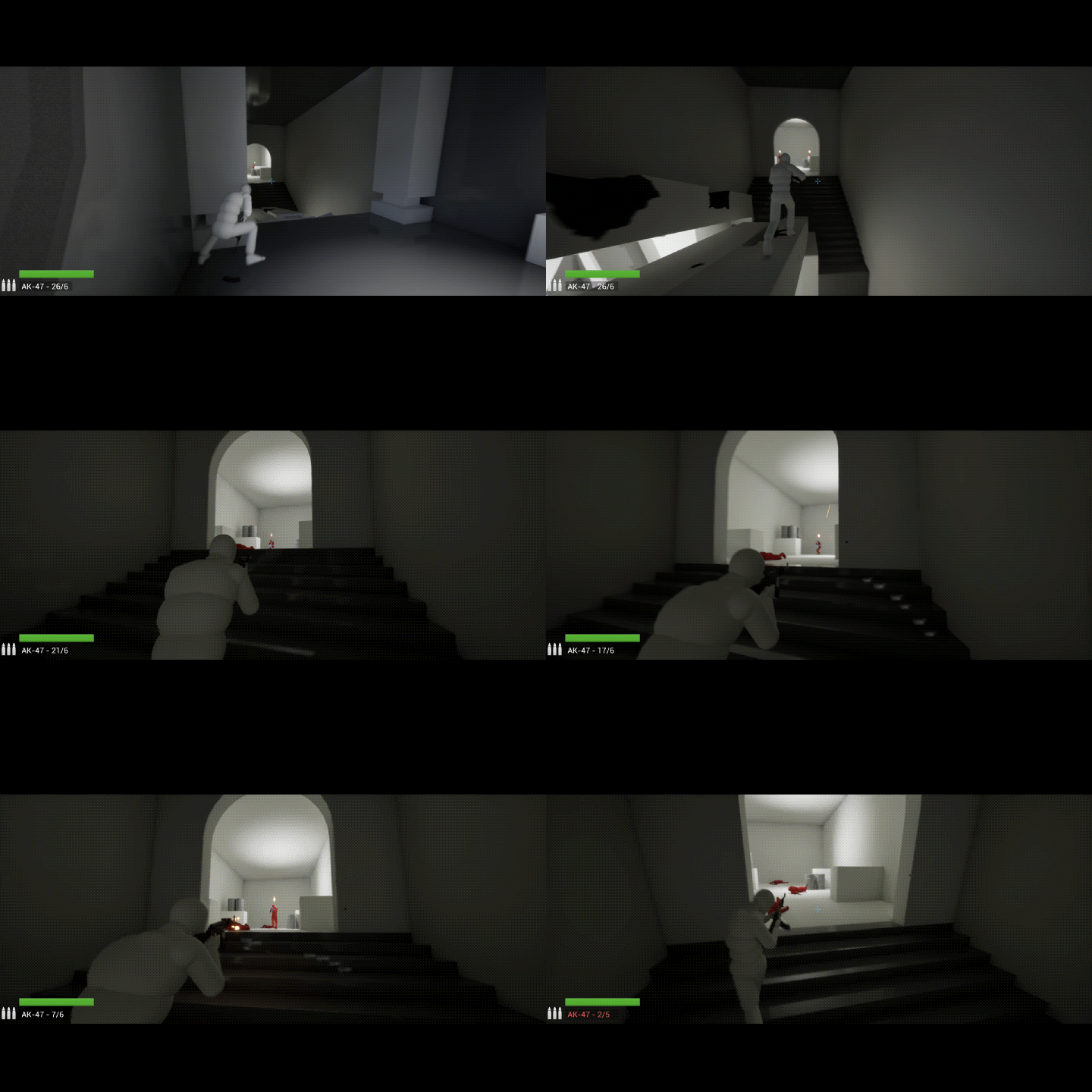
This is the final part of the first section of the level, and I wanted it to deliver a strong burst of combat and energy. I designed this area to feel intense and action heavy so the player understands that the level is picking up pace. My goal was to create a moment that demands focus, encourages quick decision making, and leaves the player feeling energized as they move into the next phase of the mission.
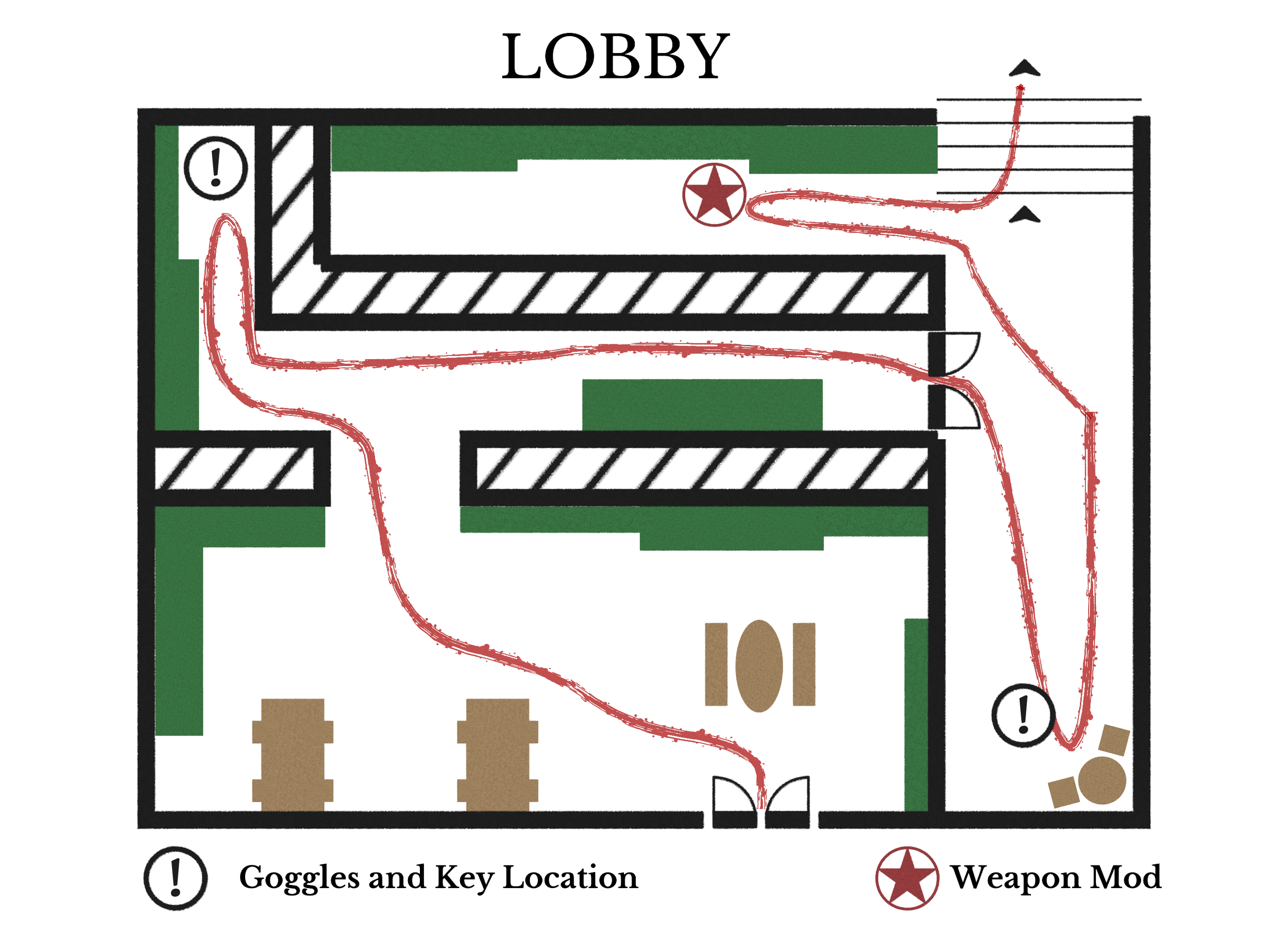
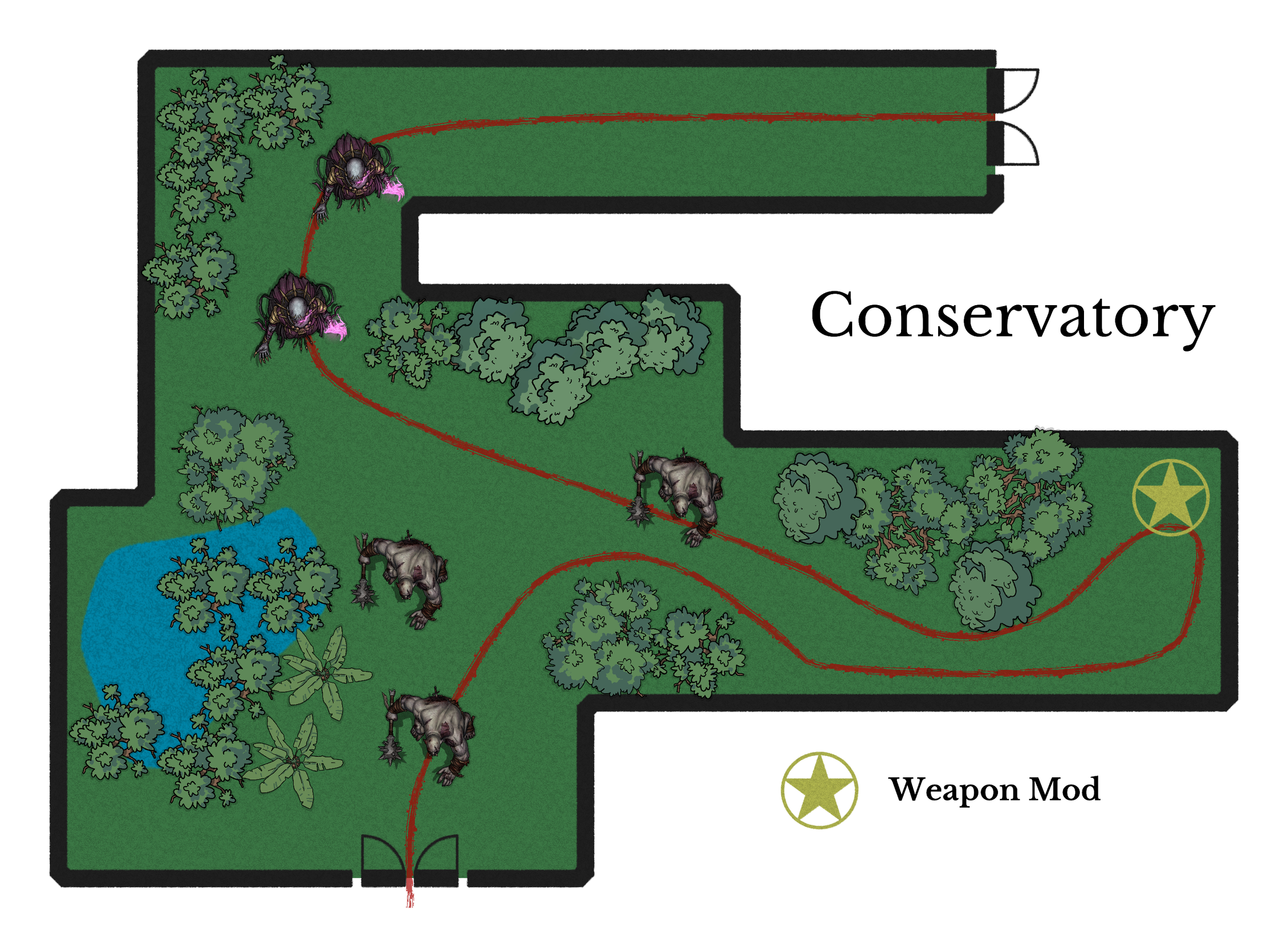
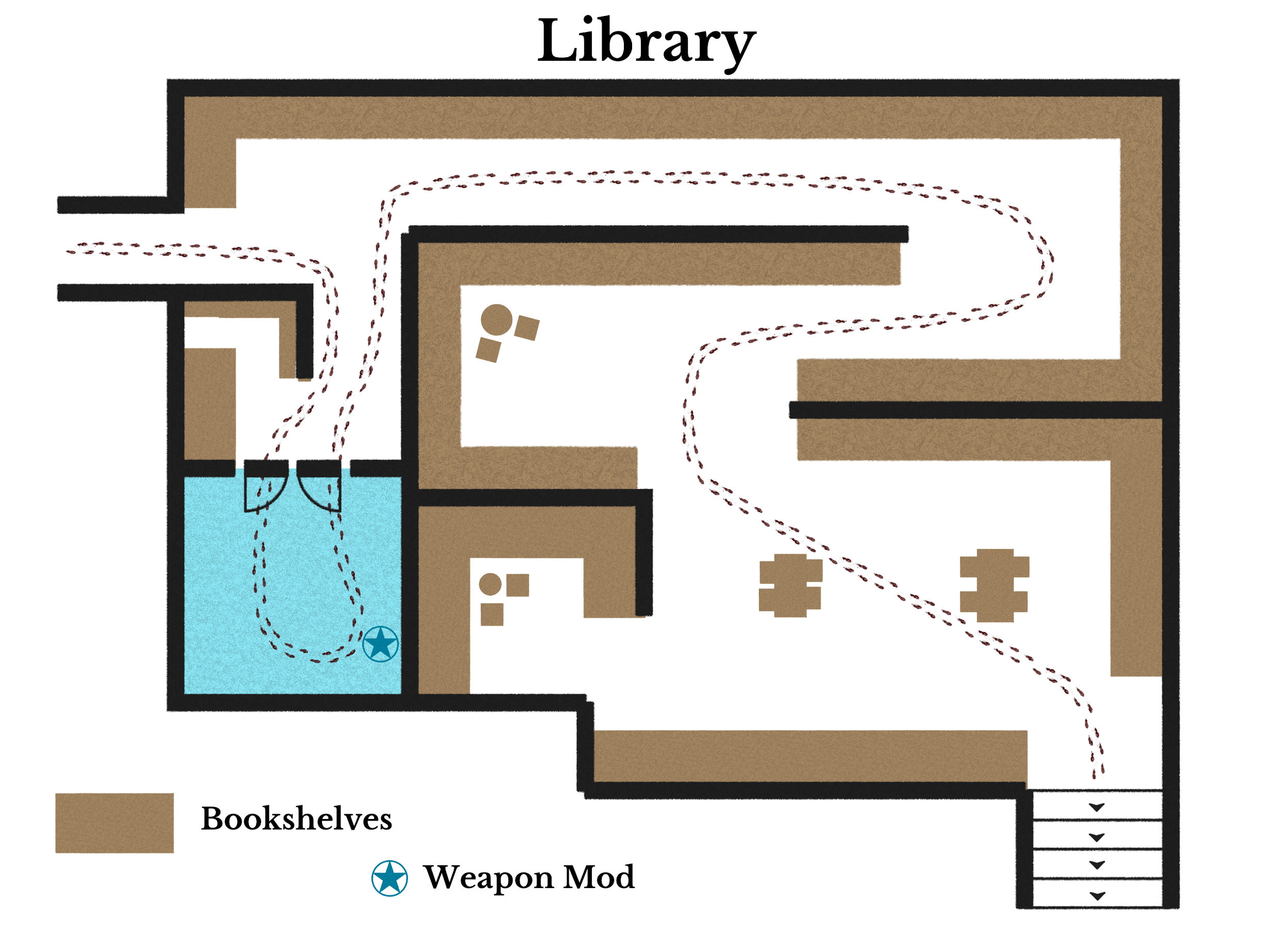
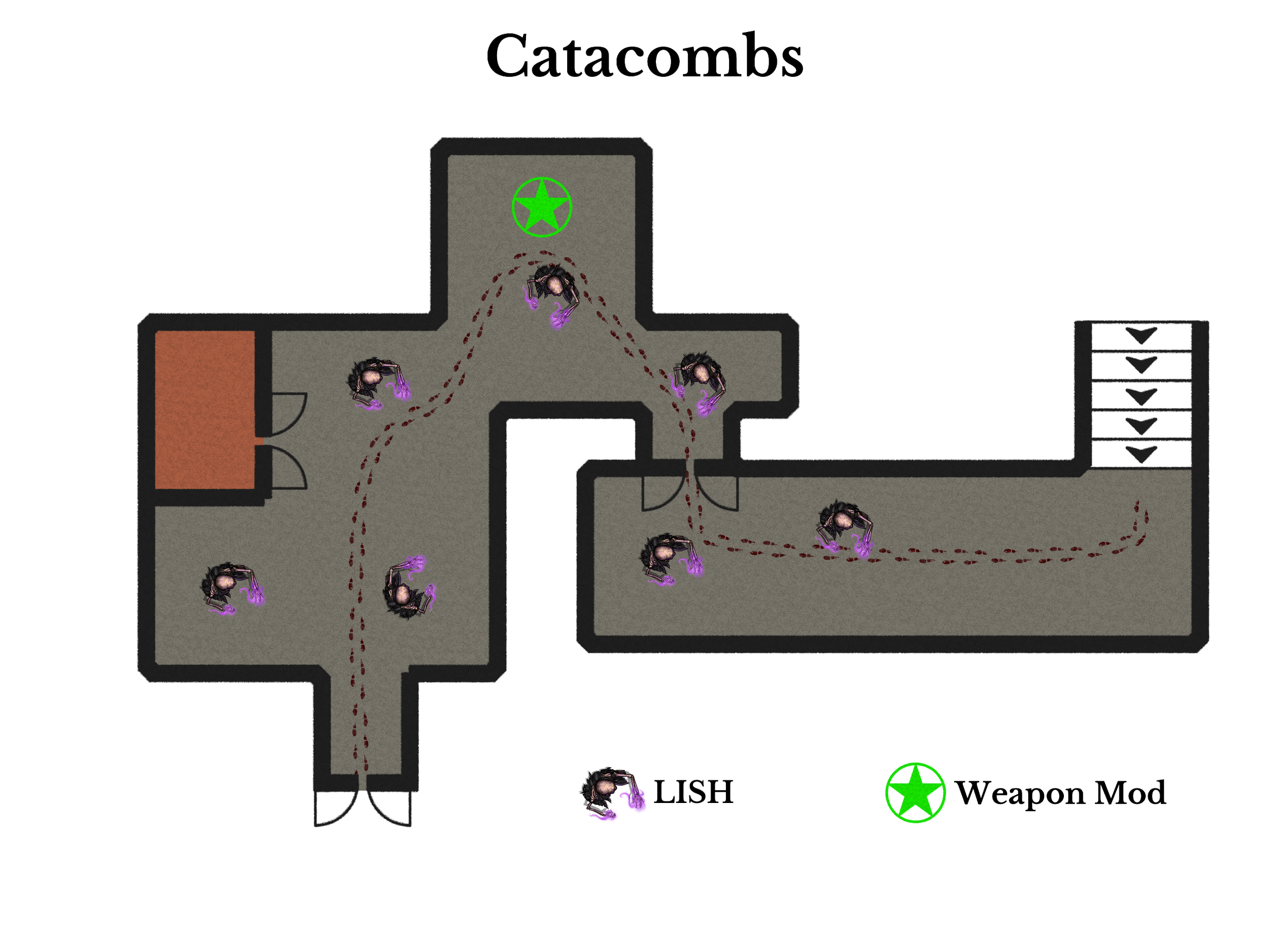
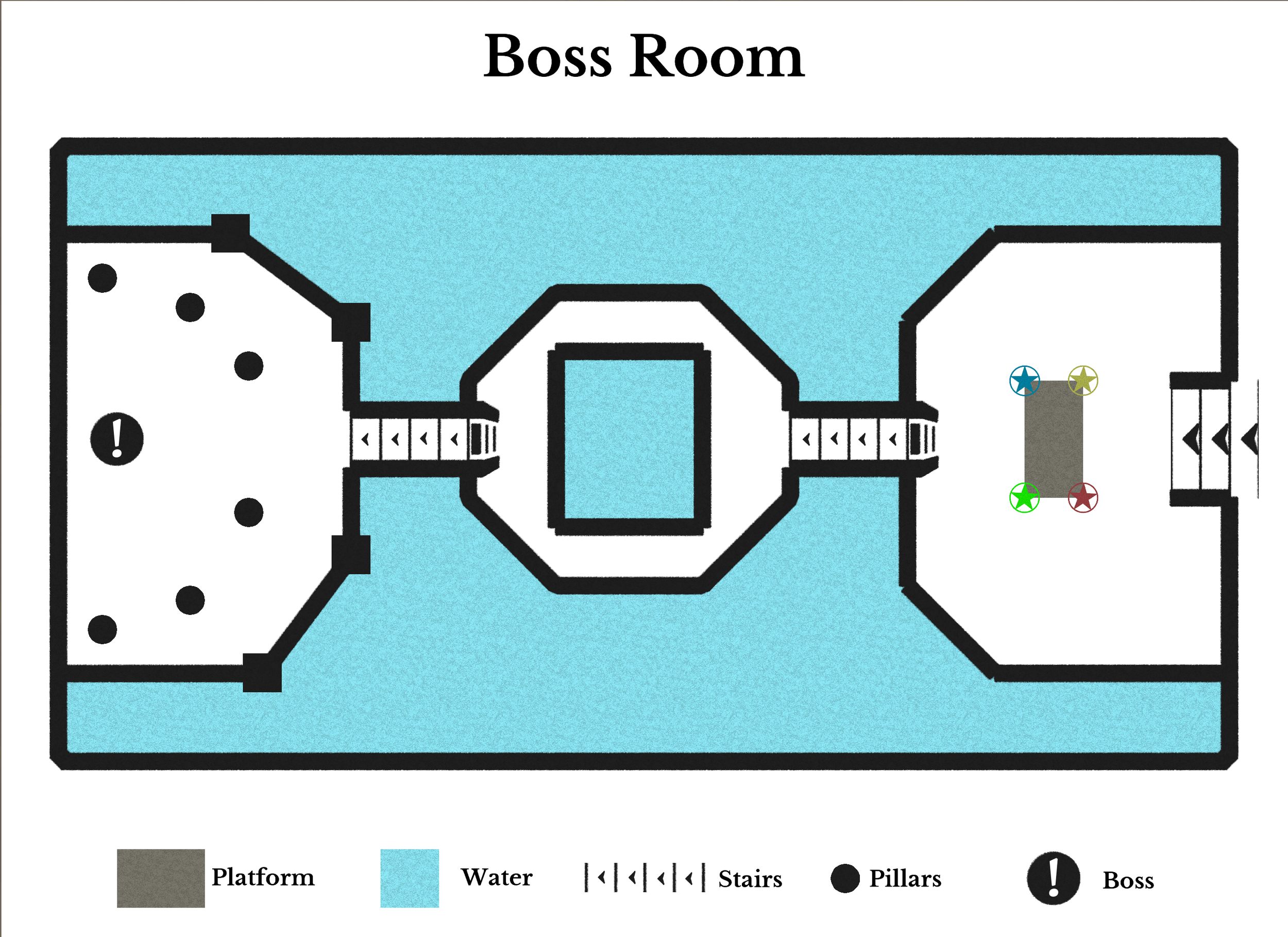
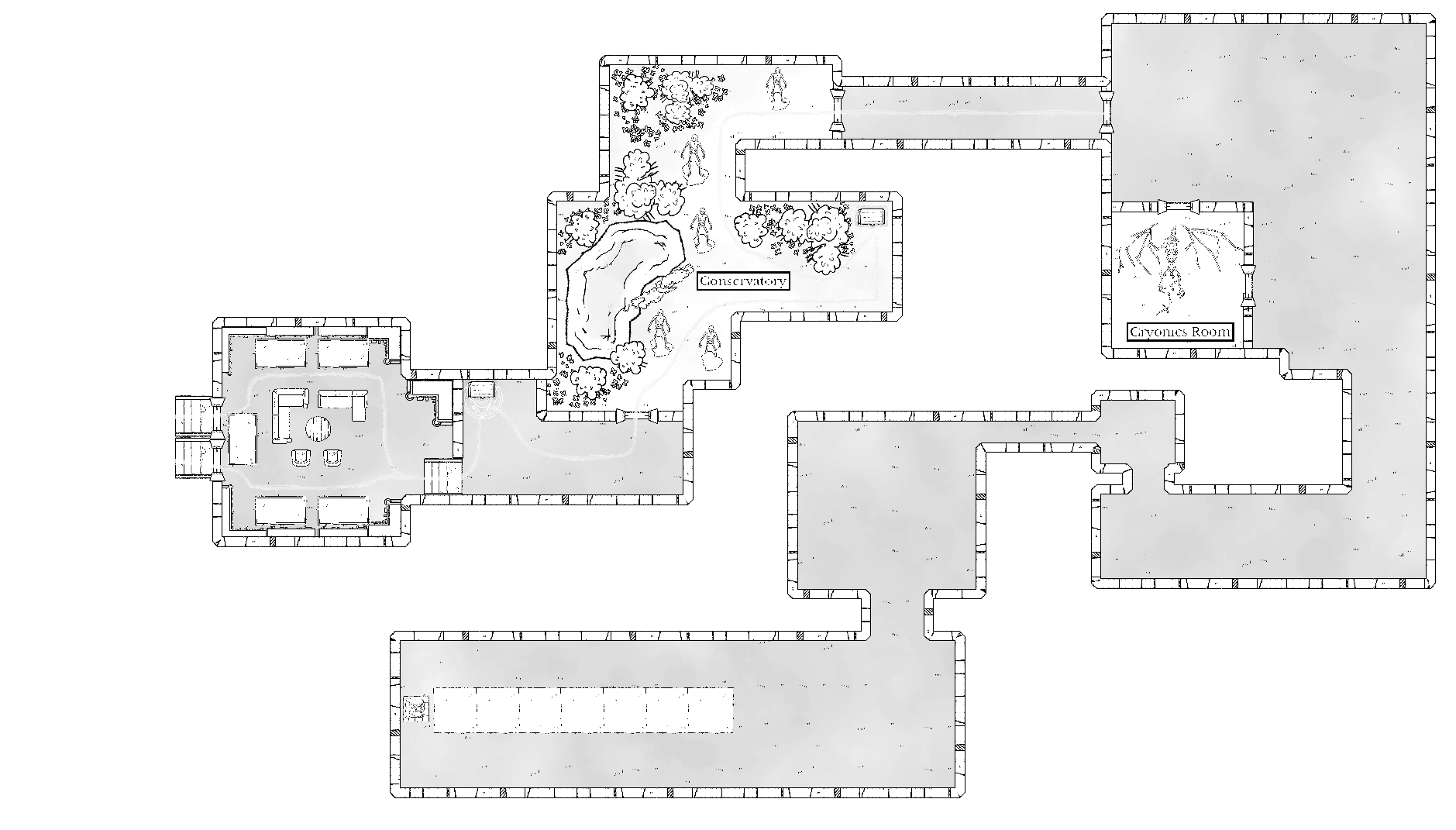
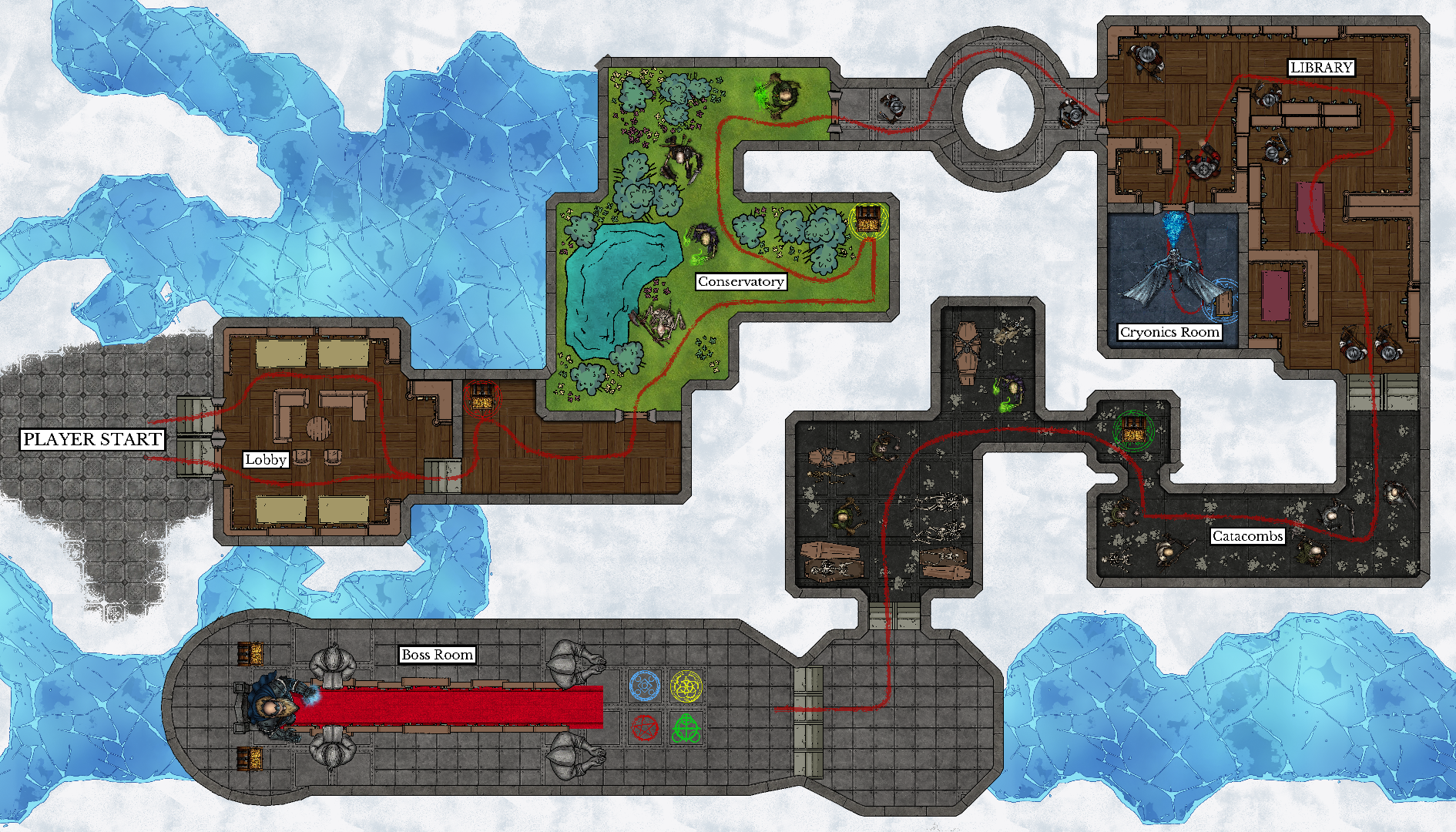
Here are several top down maps I created throughout the development of the level. I went through many rounds of iteration, constantly adjusting layout, spacing, sightlines, and player flow to strengthen the experience. Each map represents a different stage in the design process, showing how the level evolved as I refined the routes, adjusted encounter placement, and tested how players would move through the space. Creating these maps helped me understand the strengths and weaknesses of each version and gave me a clear visual record of how the level gradually took shape over time.
SUMMARY
One of the biggest challenges in building this entire section of the level was striking the right balance between clear forward momentum and a layout that did not feel like a simple straight shot. I wanted the player to move with purpose, but I also wanted them to feel like the environment was shifting around them in ways that kept the experience fresh. My goal was to make the player almost forget that the level began outside on a bridge and instead feel like they were being pulled into a larger, more intricate world.
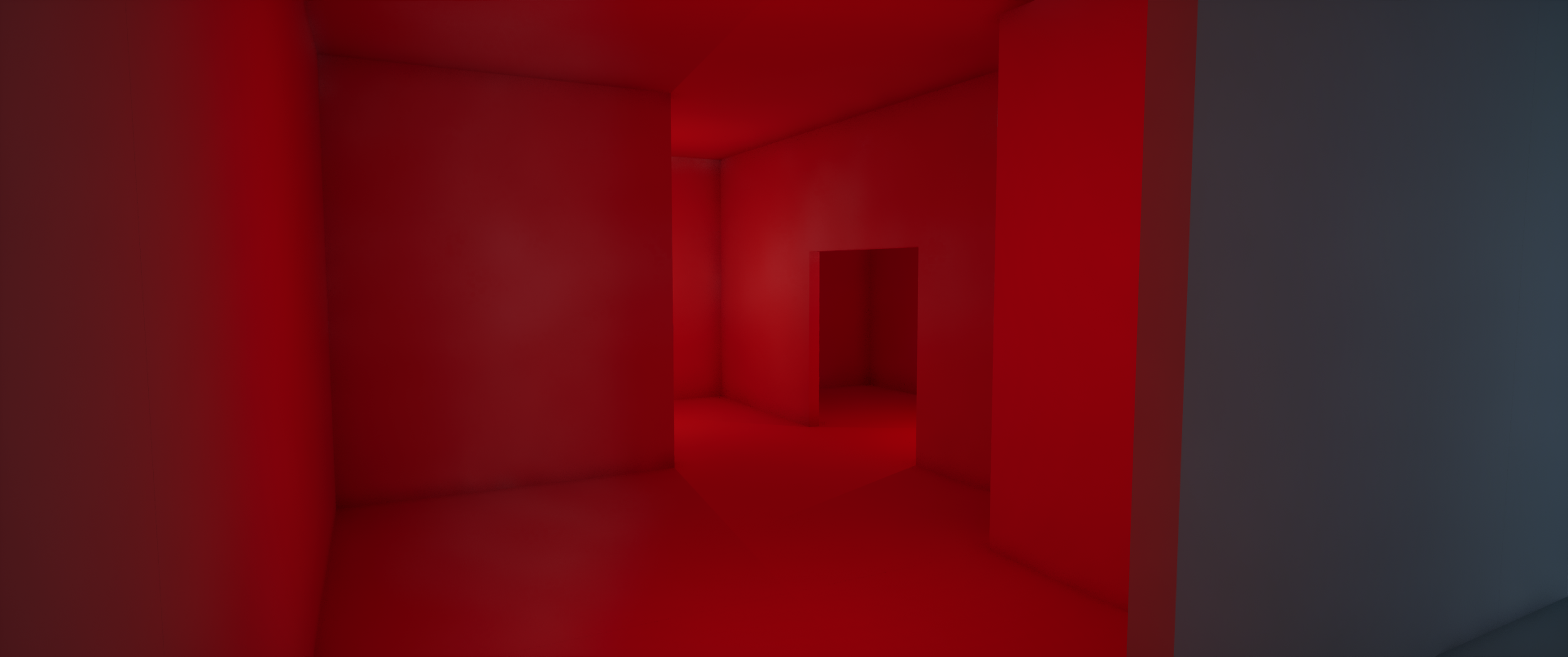
To achieve this, I focused on pacing and how each transition would reshape the player’s expectations. As soon as the player stepped through the main door, I introduced a strong wave of combat to immediately change the tone. This sudden burst of action helped reset the player’s sense of direction and made the space feel more layered and unpredictable. By mixing in angled paths, varied sightlines, and multiple combat pockets, I was able to prevent the level from feeling too linear. The result is a section that keeps the player moving forward while still offering twists, surprises, and a sense of depth that encourages them to stay alert and engaged.
HOW IT STARTED
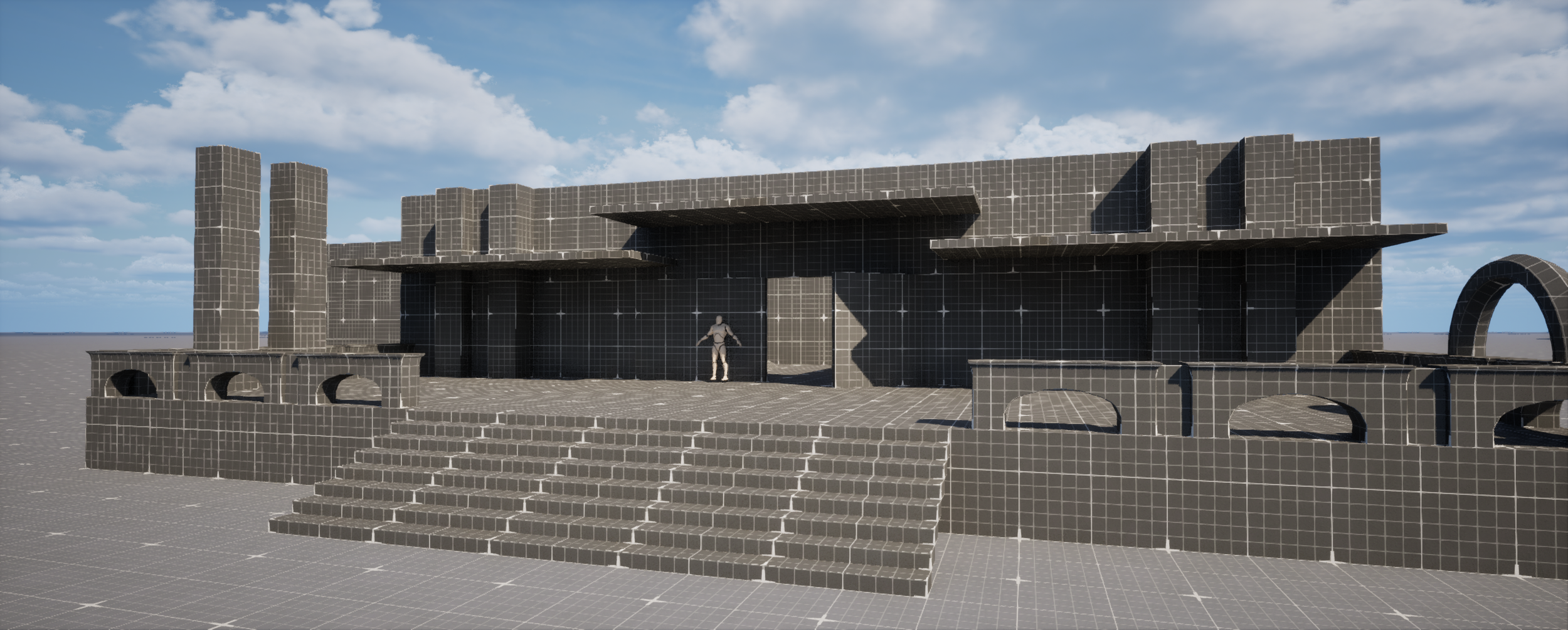
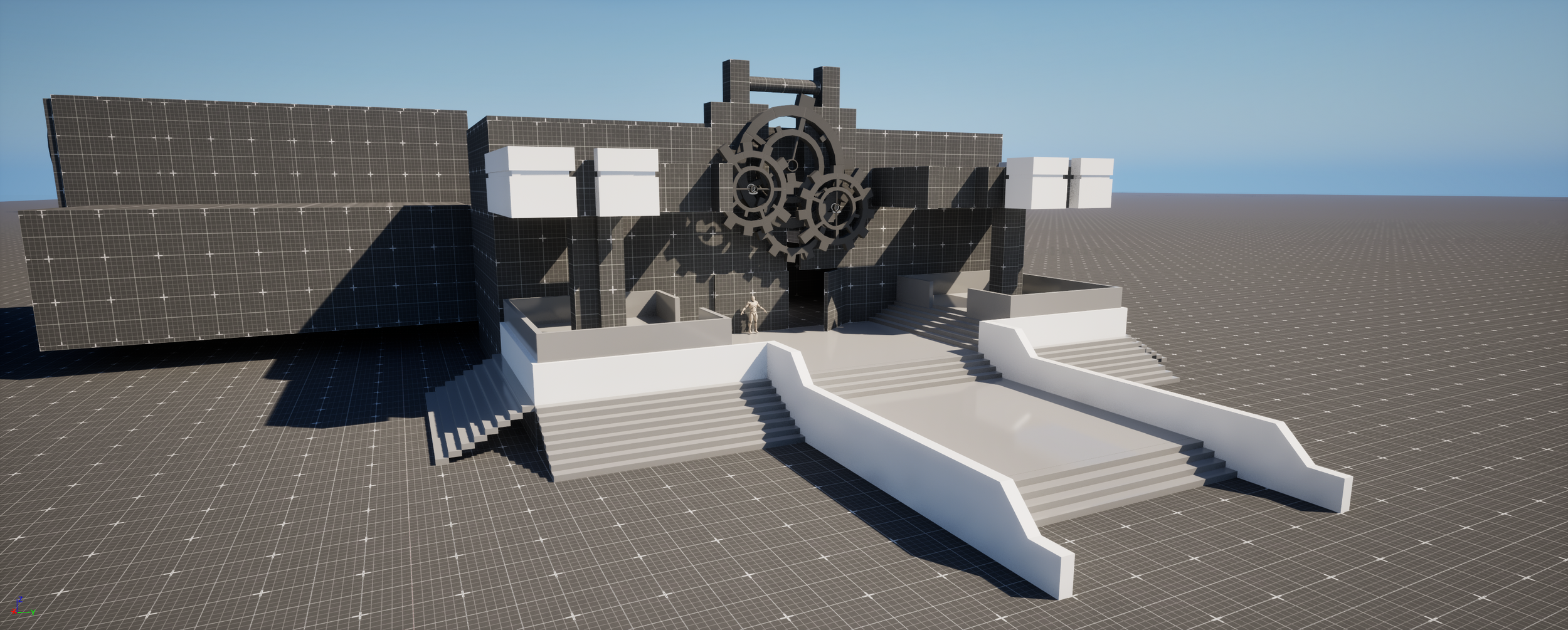
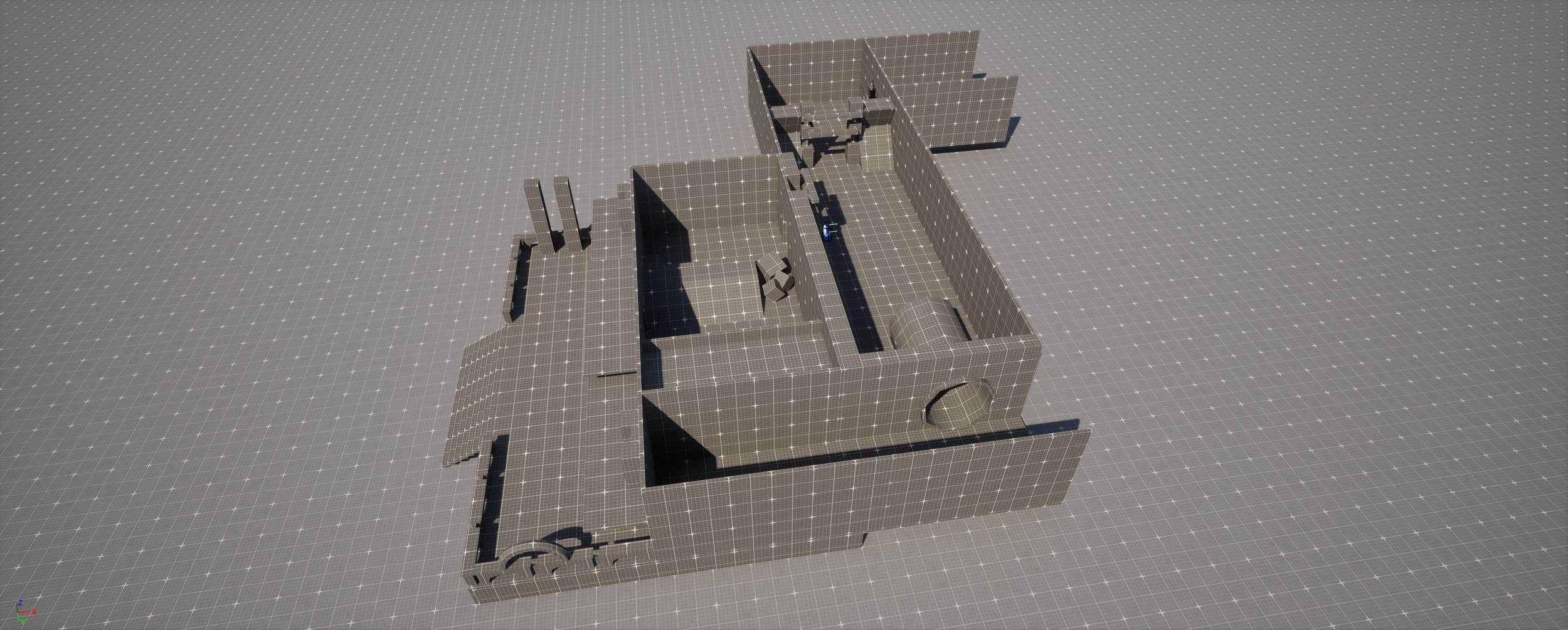
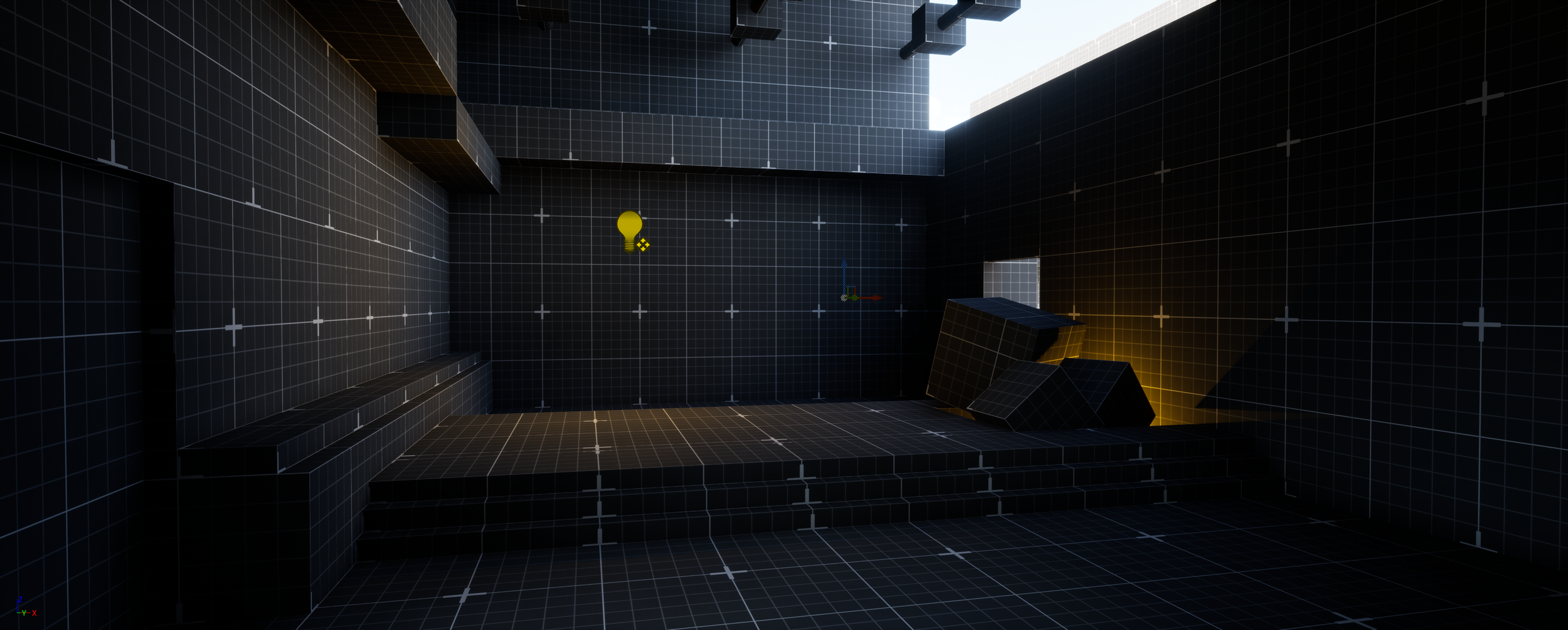
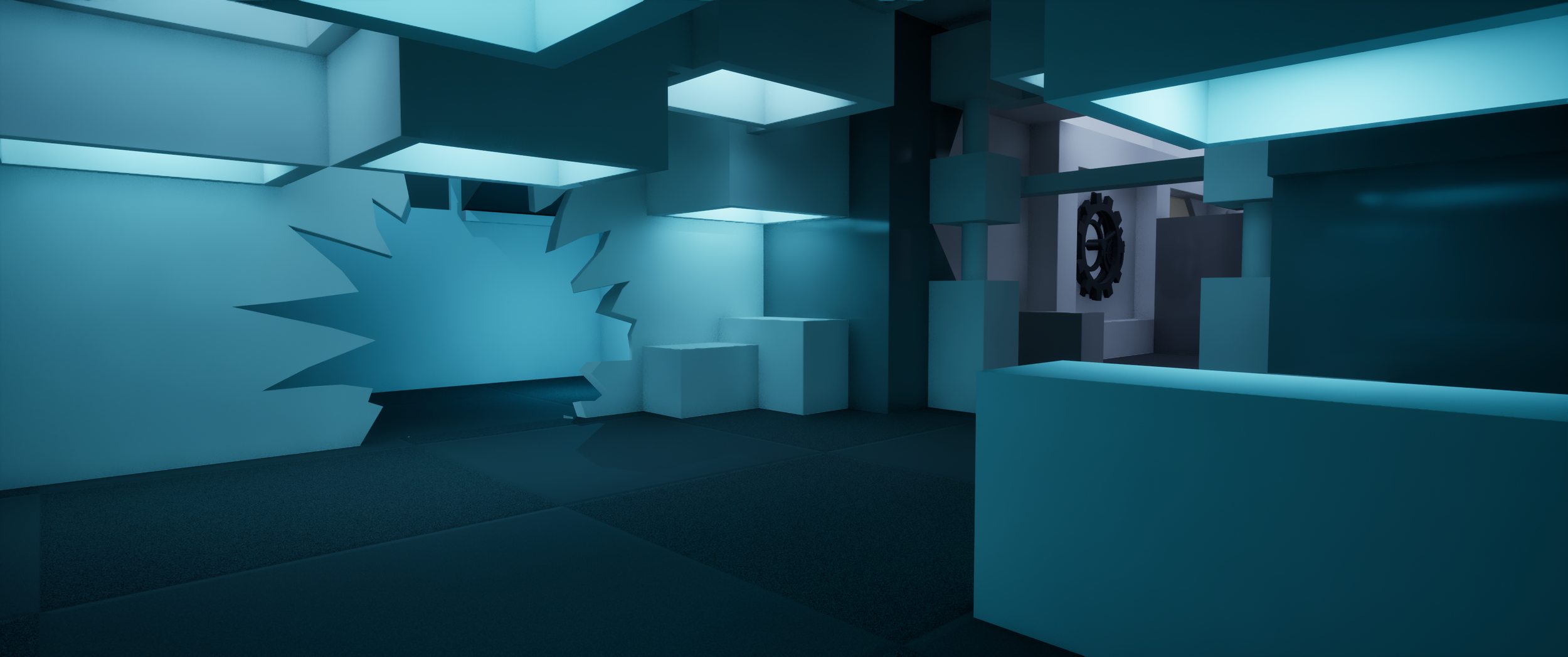
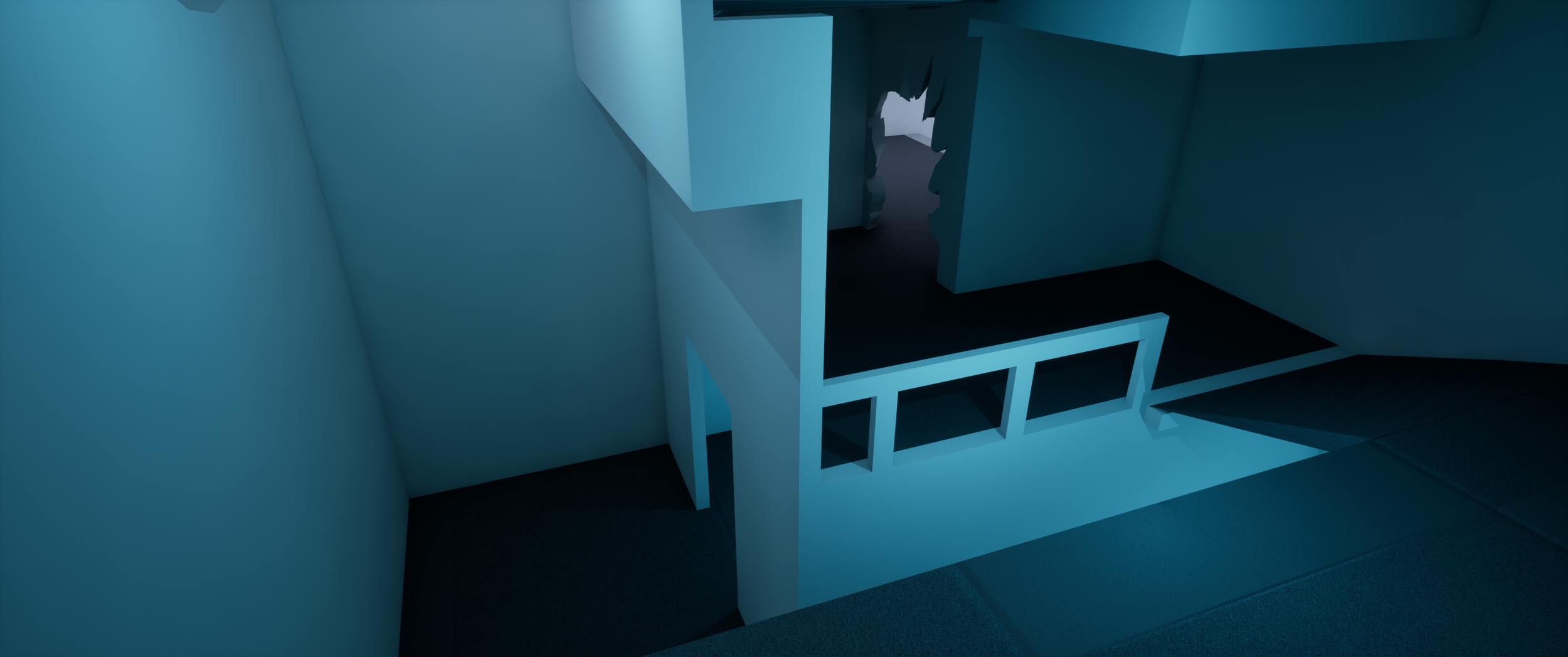
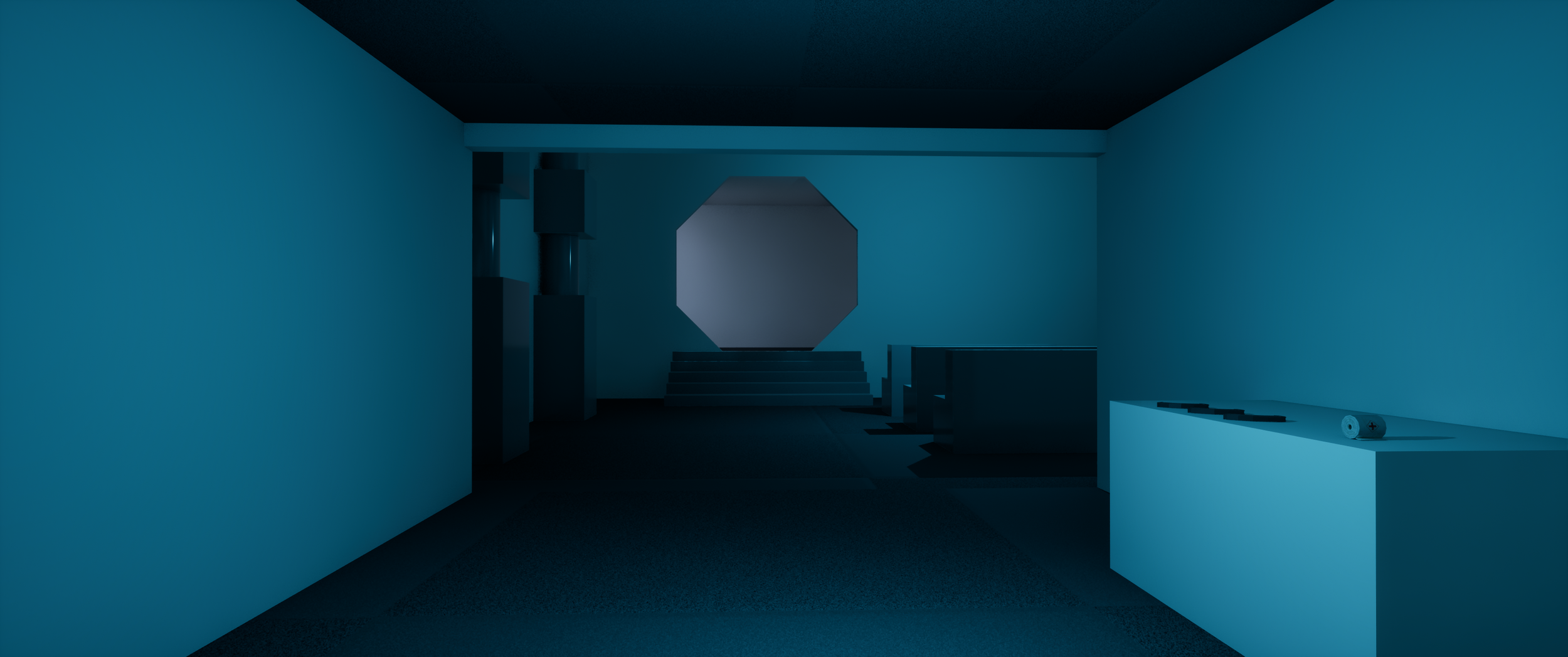
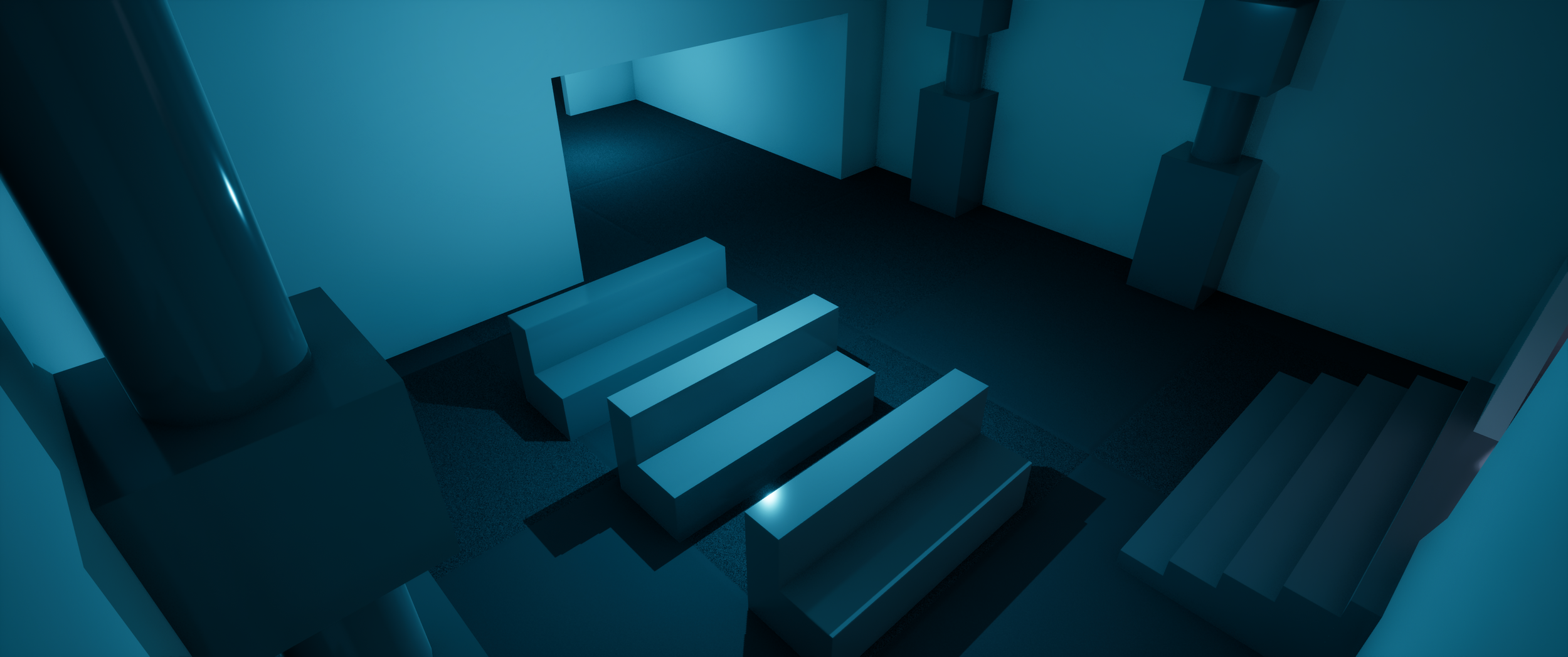
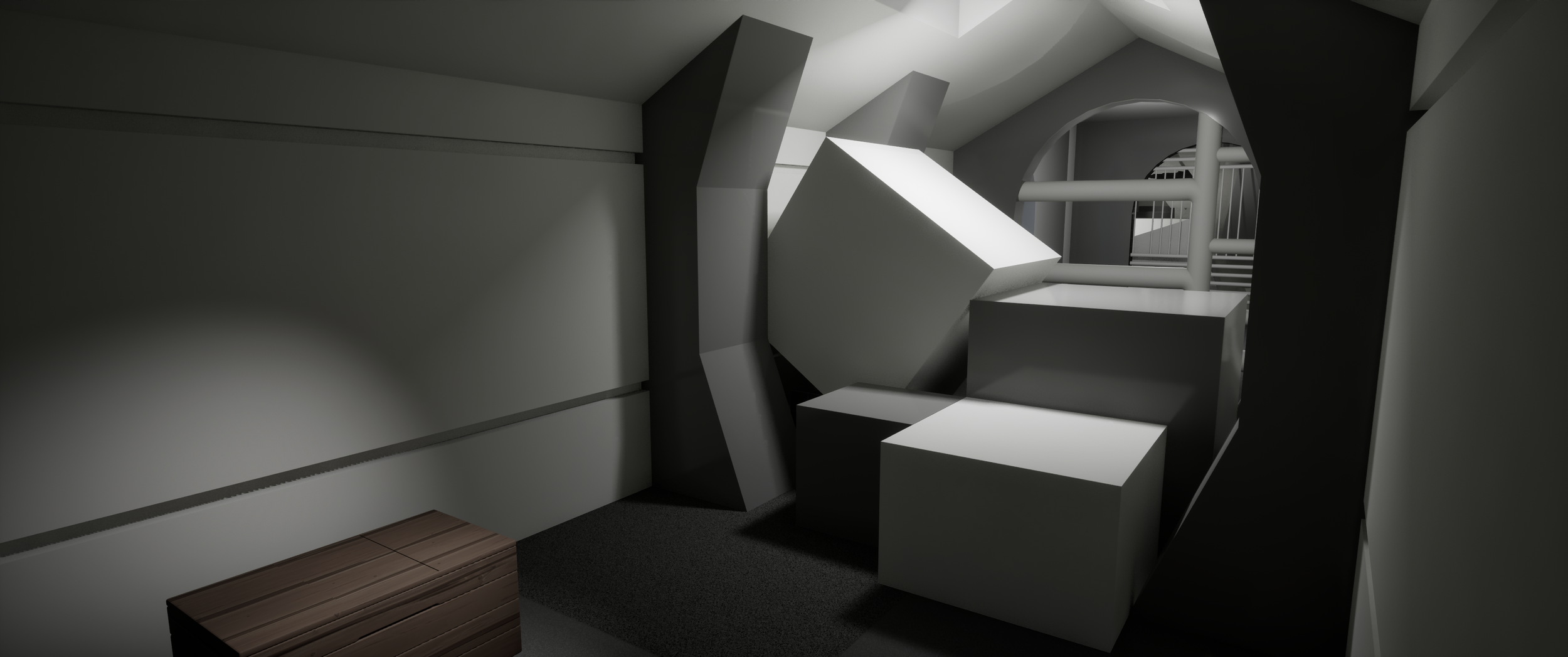
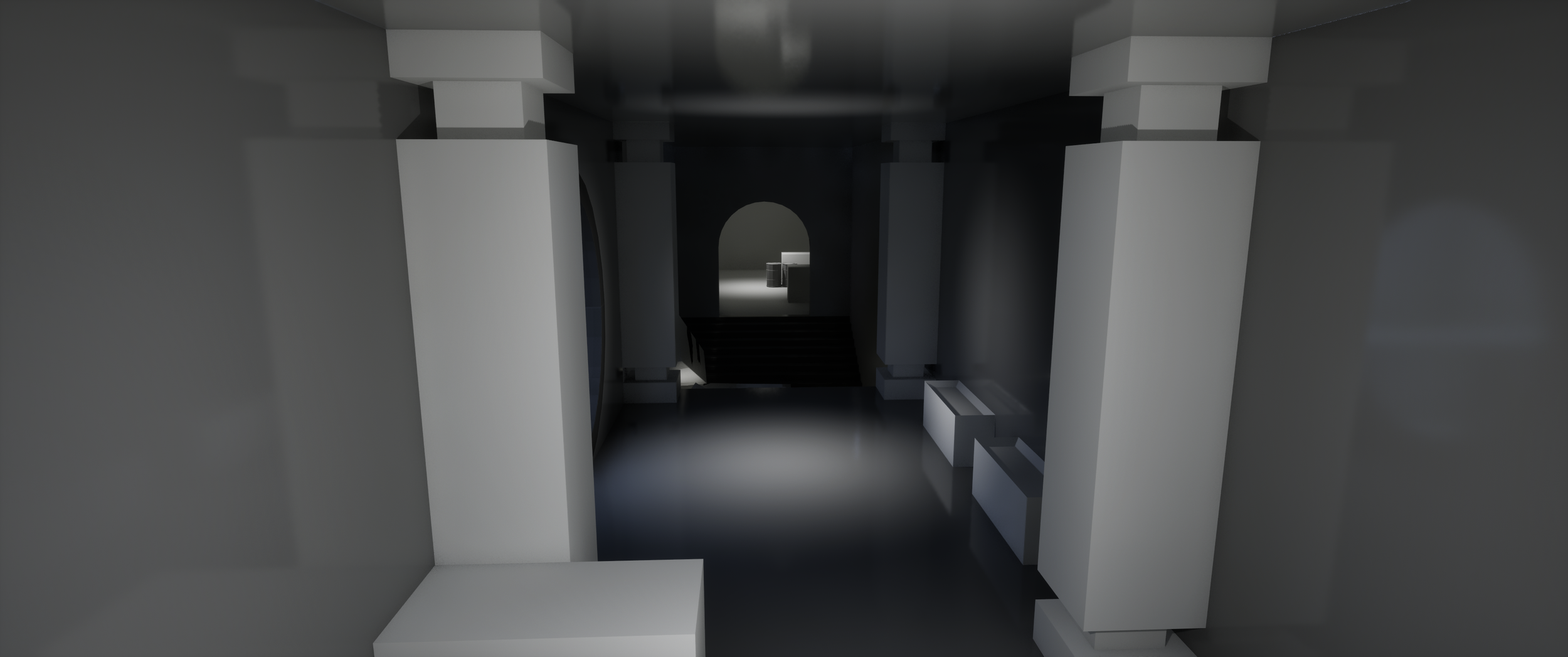
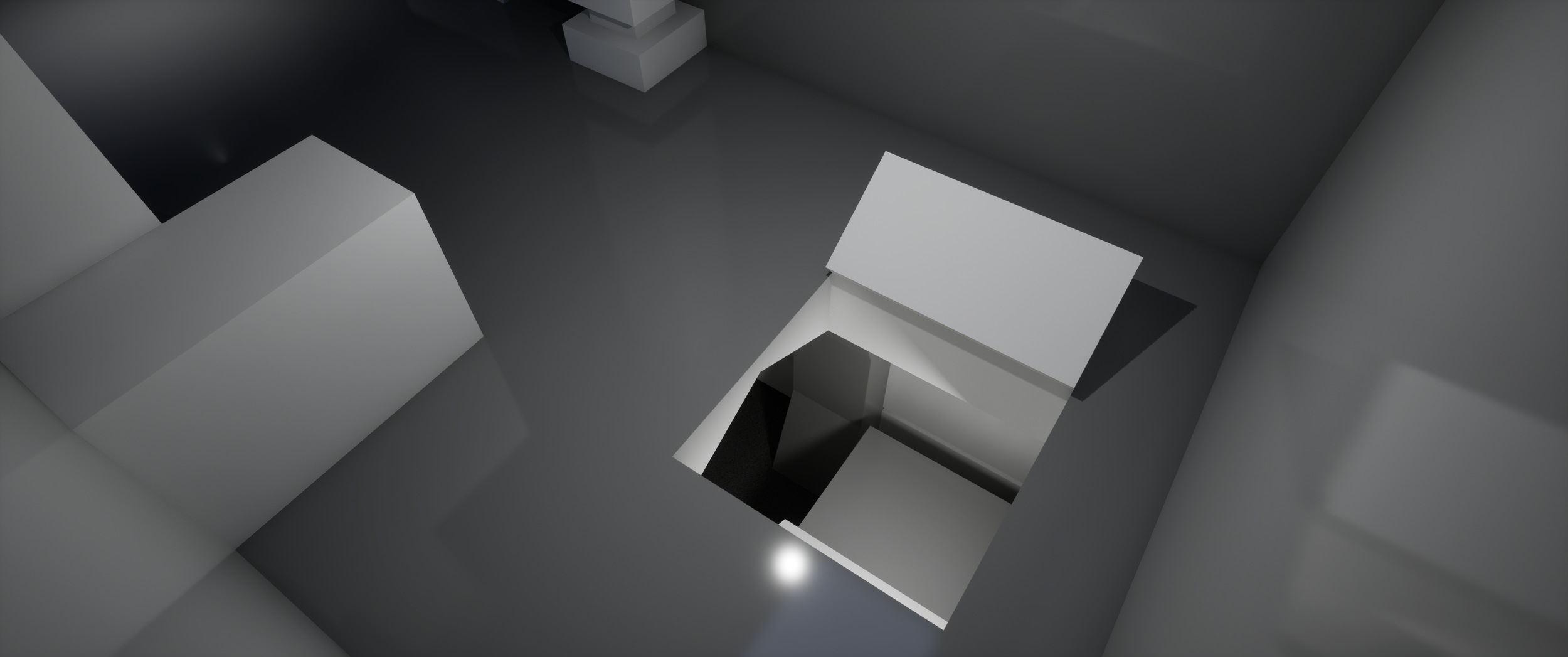
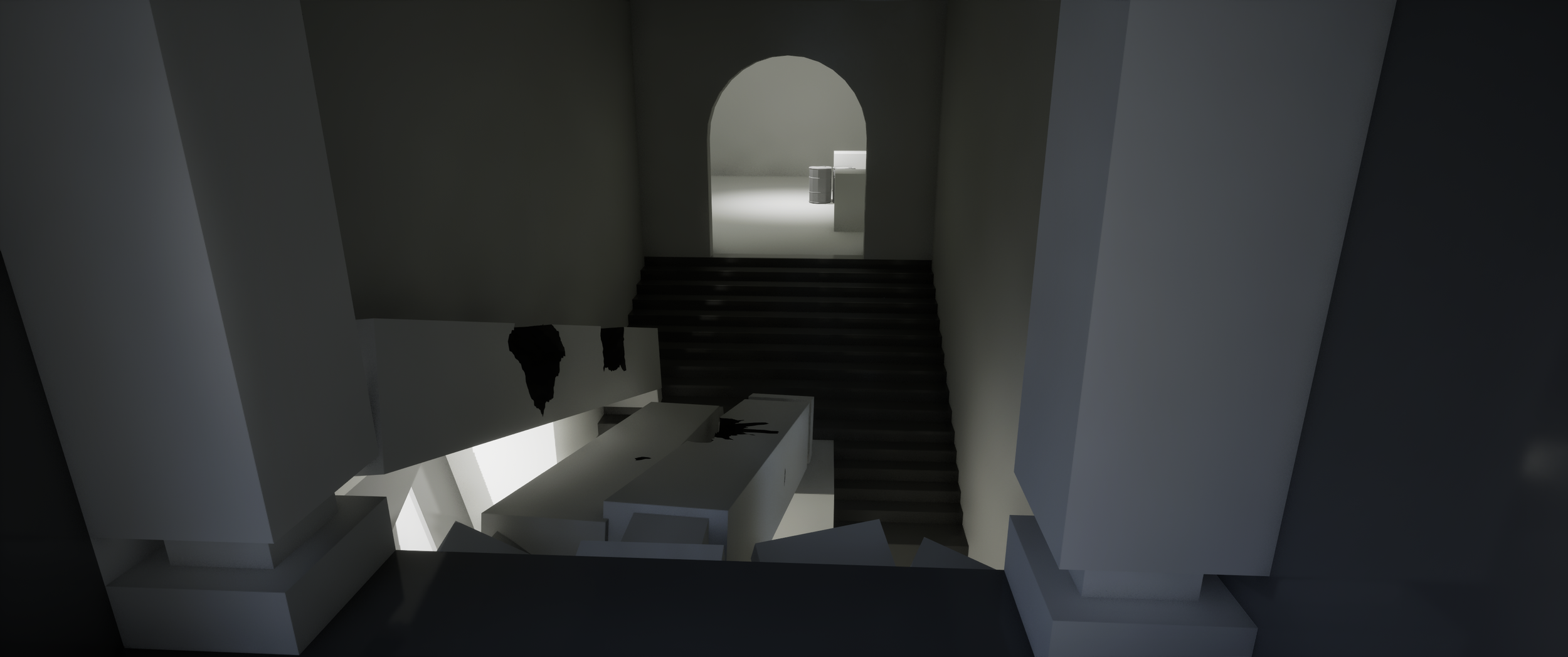
This is an early video walkthrough and a set of screenshots from when I first began building the level, and looking back at them reminds me how rewarding it is to see real progression over time. Watching the project grow from rough shapes and simple ideas into a more refined experience shows how much can be accomplished through steady effort and consistency. It is easy to forget how basic everything looked at the beginning, but revisiting these early stages highlights every improvement, adjustment, and breakthrough that helped shape the final vision. Seeing the evolution of the level layout, the pacing choices, the combat setup, and the environmental details helps me appreciate the long hours of problem solving and iteration that went into each section. Moments like this remind me why I enjoy level design so much. It shows that every small step, even the ones that felt insignificant at the time, contributed to a bigger transformation and helped turn a simple starting point into something I can be proud of.
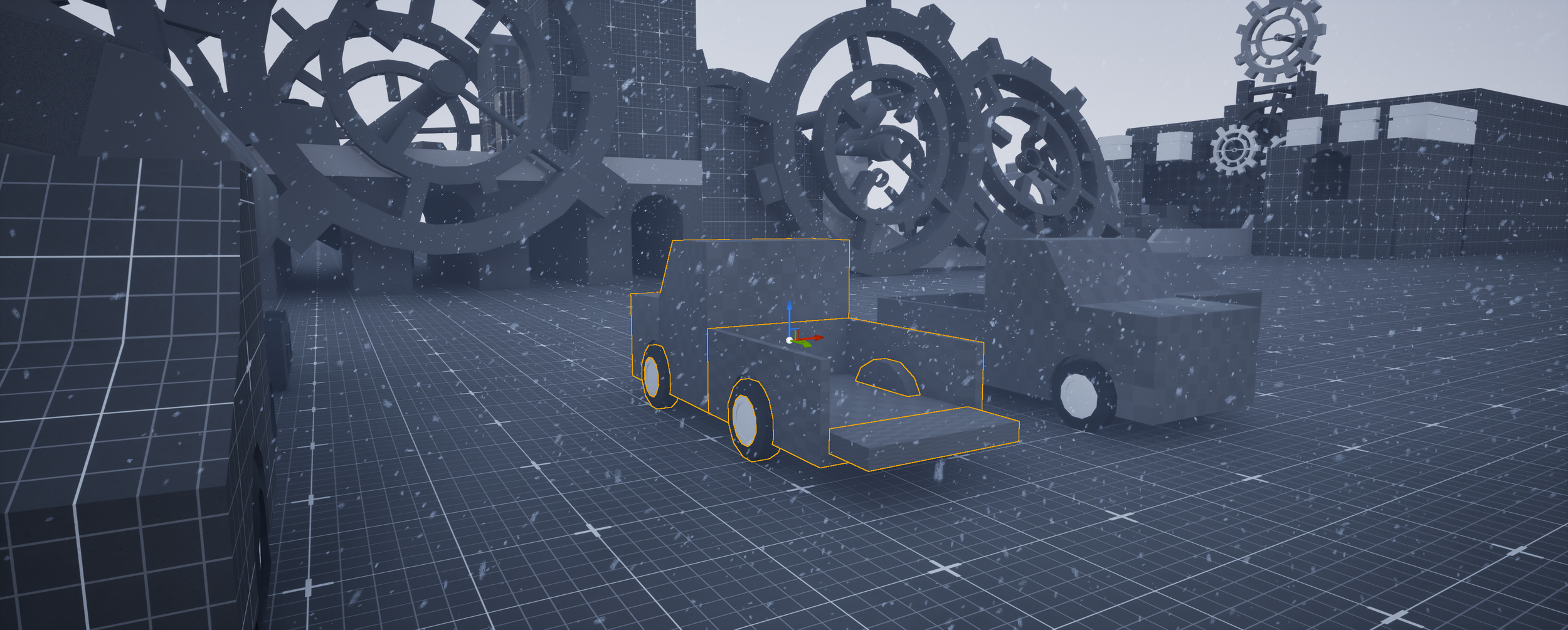
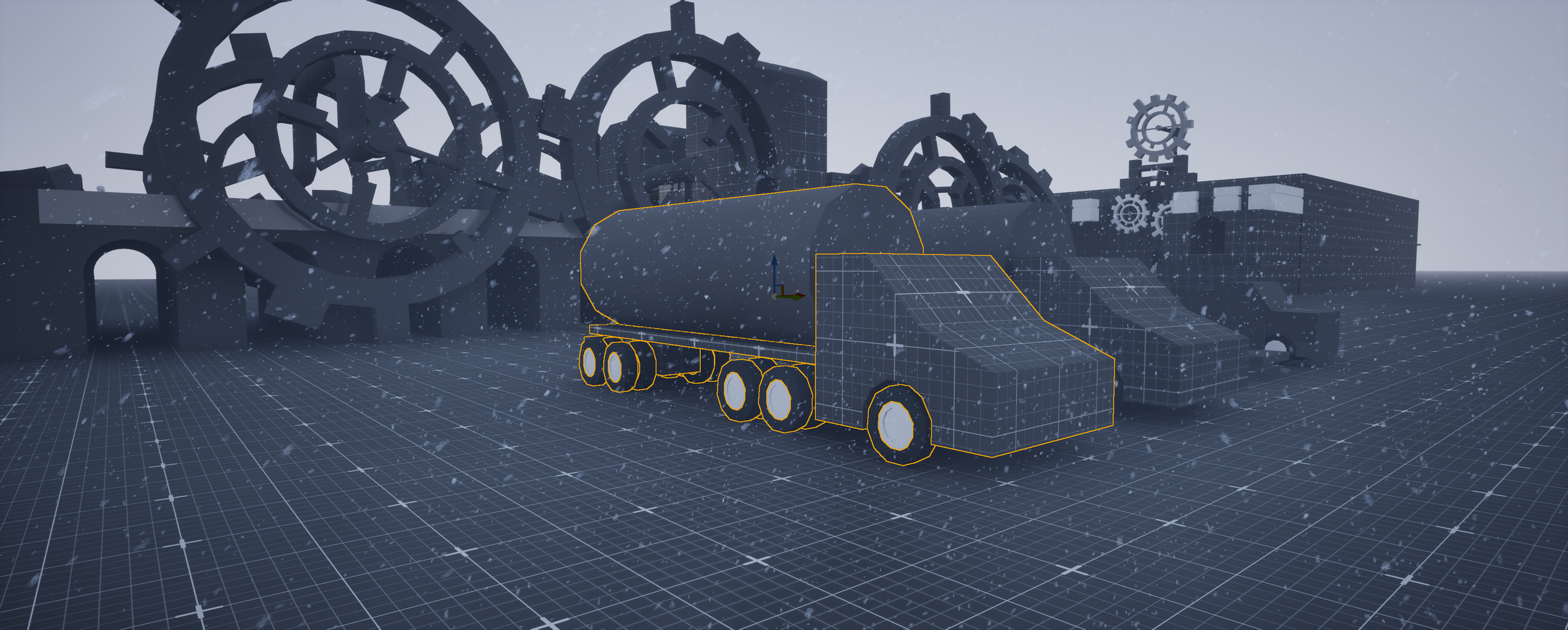
This was a moment where I dedicated extra time to modeling my own vehicles for the level. I wanted to push my skills further and get additional practice, so I focused on creating assets that fit the environment and supported the overall layout. It became a great way to grow my modeling abilities while adding more personality to the level.